Sport · Bangladesh Bureau
Community-Led Initiatives Key to Meeting Plastic Recycling Targets
Local organizations across South Asia are mobilizing grassroots movements to accelerate plastic waste recycling efforts and achieve ambitious environmental goals. The shift towards community-based solutions reflects growing recognition that regional recycling targets require sustained public participation and coordinated action.
LSN Bangladesh ·
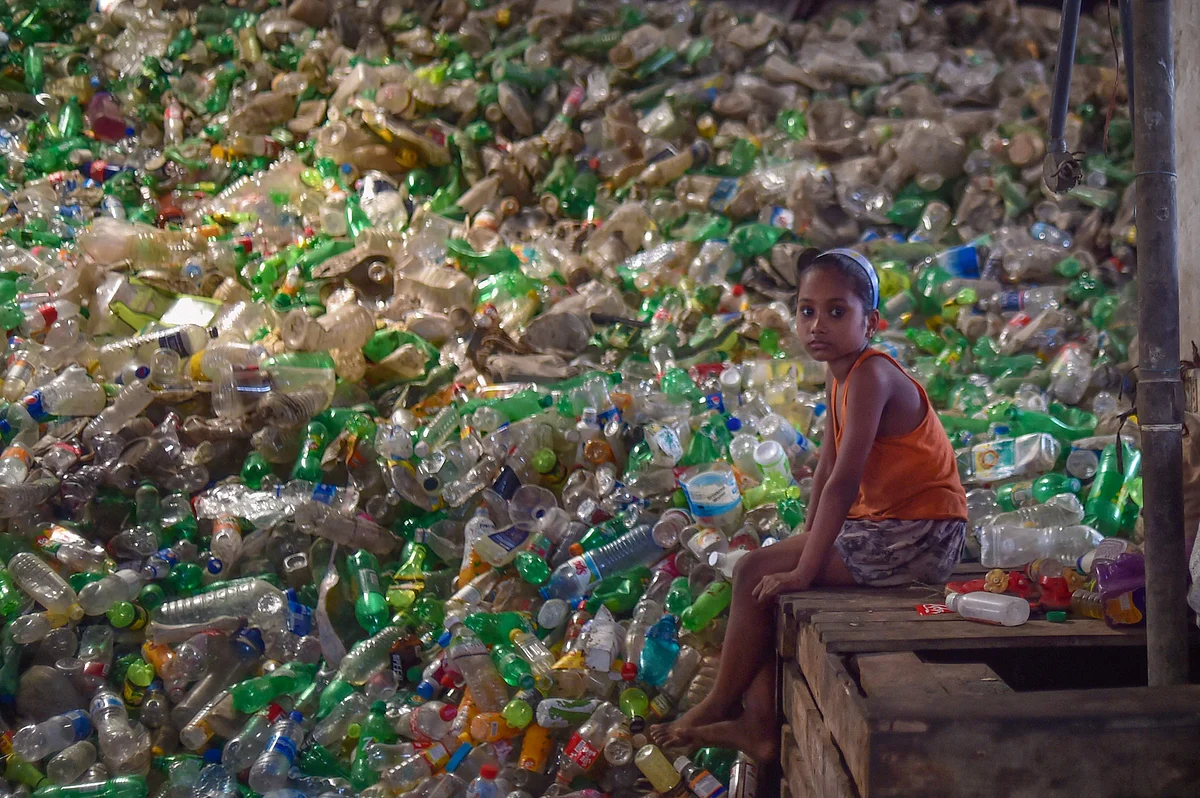
Environmental agencies and non-governmental organizations are increasingly turning to community-level engagement to drive plastic recycling progress across South and Southeast Asia. Rather than relying solely on centralized waste management infrastructure, officials are empowering local groups, municipalities, and household networks to take active roles in collection and processing operations.
The grassroots approach addresses a critical gap in current recycling systems, where limited infrastructure and inconsistent participation have hindered progress toward regional sustainability targets. By decentralizing recycling responsibilities, communities can adapt programs to local conditions, cultural practices, and available resources, making waste management initiatives more effective and sustainable.
Local initiatives include awareness campaigns, neighborhood collection schemes, and training programs that equip residents with knowledge about plastic sorting and recycling processes. These efforts not only improve waste diversion rates but also generate employment opportunities and foster environmental consciousness at the community level.
Experts emphasize that meeting plastic recycling goals will require sustained commitment from multiple stakeholders, including government bodies, private sector partners, and engaged citizens. Success depends on establishing reliable collection networks, improving market demand for recycled materials, and maintaining long-term momentum in community participation throughout the region.