World · Myanmar Bureau
Comprehensive Regional Strategy Needed to Resolve Rohingya Crisis
Experts argue that addressing the protracted Rohingya refugee situation requires a coordinated, region-wide approach involving all stakeholders in Arakan State and beyond. Such an inclusive strategy could help facilitate sustainable solutions for the displaced populations.
LSN Myanmar ·
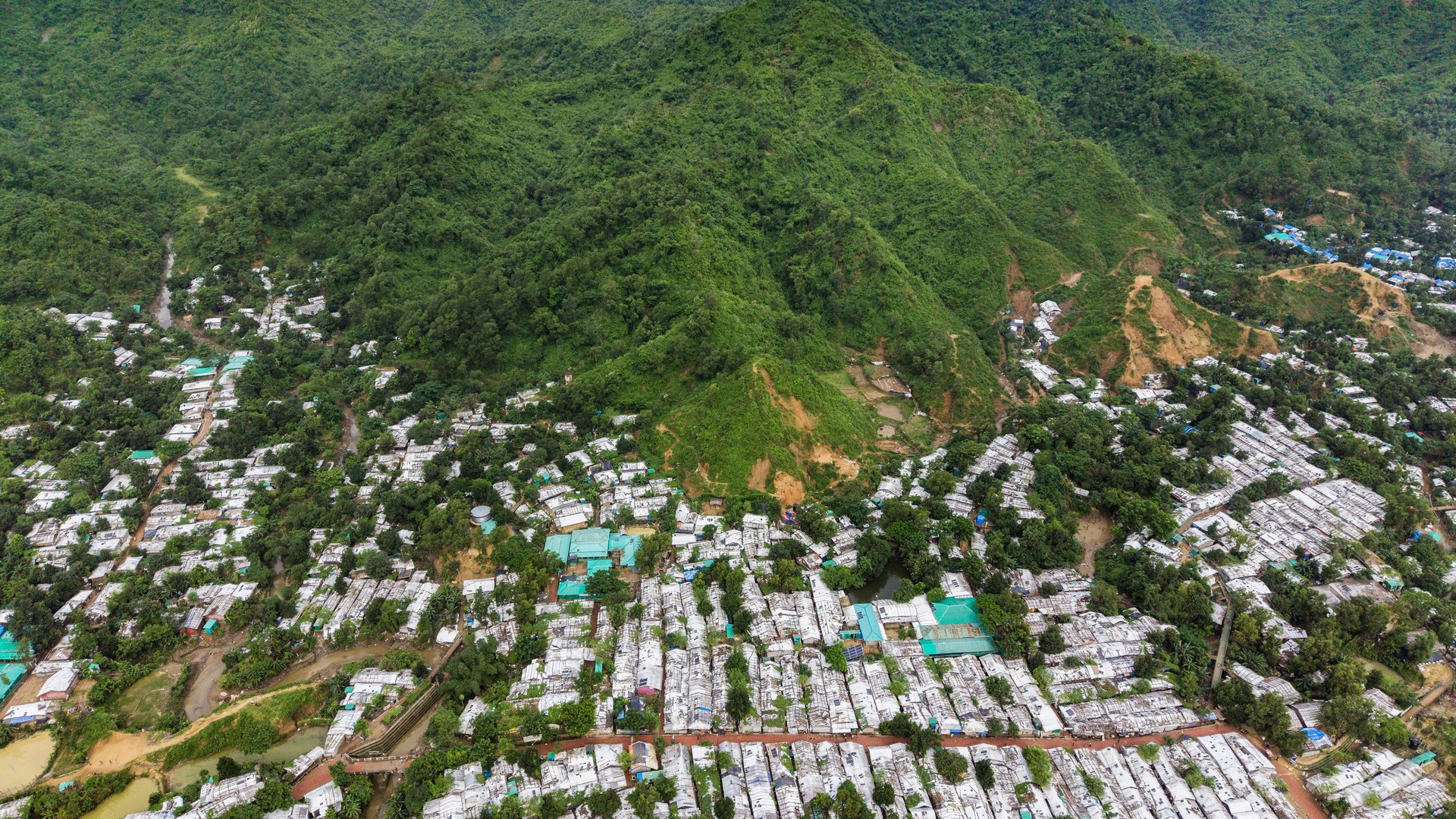
The ongoing Rohingya refugee crisis continues to strain resources across South and Southeast Asia, with hundreds of thousands of displaced persons residing in camps and host communities. Regional analysts contend that piecemeal efforts have proven insufficient to address the scale and complexity of the humanitarian challenge, underscoring the need for a unified framework that engages all parties with a stake in Arakan State's future.
An integrated approach would necessarily involve coordination between Myanmar's government, regional authorities, international humanitarian organizations, and neighboring countries that host significant refugee populations. Such collaboration could establish clearer pathways for addressing root causes of displacement while simultaneously improving conditions for those currently sheltering outside their communities.
Proponents of comprehensive regional engagement argue that sustainable resolution requires attention to political, economic, and social dimensions of the crisis. This includes rebuilding infrastructure, restoring livelihoods, and establishing governance frameworks that inspire confidence among all affected communities.
Without coordinated action across borders and between institutions, experts warn that the refugee situation risks becoming permanently entrenched, perpetuating instability and humanitarian challenges throughout the region. Regional leaders face mounting pressure to demonstrate tangible progress toward resolving one of Asia's most significant displacement crises.
Photo: An aerial view of Rohingya refugee camps on the hills of Ukhiya, Cox's Bazar, Bangladesh, July 2026. Md shameem ul islam via Wikimedia Commons (CC BY 4.0).