World · Singapore Bureau
Condo defects years later leave owners facing liability quandaries
Property owners discover structural and construction issues long after purchase, creating complex disputes over responsibility. The challenge intensifies when developers have ceased operations or fault becomes difficult to establish.
LSN Singapore ·
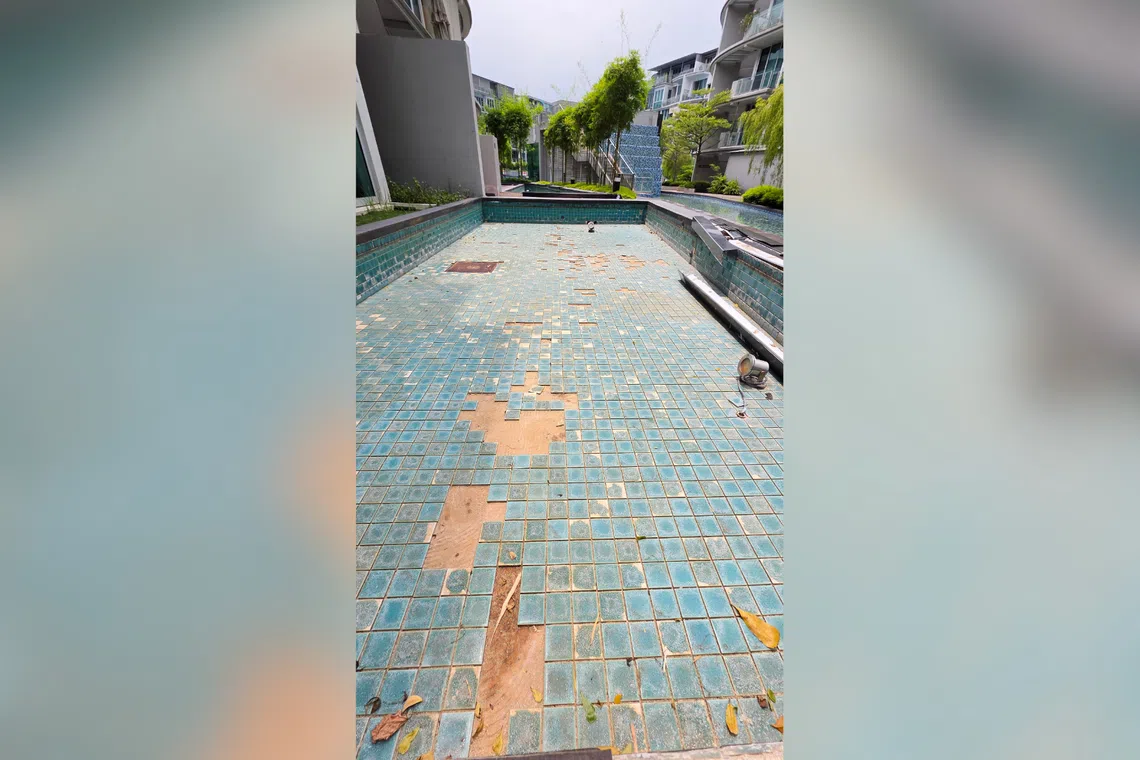
Building defects that surface years after completion present a thorny problem for condominium owners across the region, with responsibility often unclear and financial liability contested between multiple parties. The delays in discovering issues such as water leakage, structural cracks, and faulty installations can leave owners with limited recourse, particularly when original developers have wound down operations or dissolved entirely.
Disputes frequently devolve into protracted blame games, with property owners, developers, contractors, and insurers each pointing to others as responsible parties. This fragmentation of accountability often leaves owners bearing unexpected costs for repairs that should logically fall under warranty provisions or building standards compliance.
The complexity intensifies in jurisdictions where building codes and warranty frameworks lack clear timelines for defect liability. Owners may discover that statutory periods for claims have expired, or that developer insurance policies have lapsed. In some cases, original contractors have ceased operations or moved jurisdictions, making enforcement nearly impossible.
Property owners increasingly seek recourse through consumer protection agencies and legal channels, though outcomes remain unpredictable. Experts recommend thorough structural inspections before purchase and maintaining detailed documentation of all construction phases to strengthen claims when defects emerge.
Regulatory bodies across South and Southeast Asia are examining stricter building standards and extended liability frameworks to better protect residential property owners from latent defects and the financial burden they impose.