World · India Bureau
Congo's armed groups profit from M23 conflict through illegal trade routes
Multiple militia and guerrilla factions in the Democratic Republic of Congo are leveraging the M23 insurgency to establish lucrative control over weapons trafficking, gold smuggling, and toll collection across conflict zones. The illicit economy has become a primary revenue source for non-state armed groups operating in the region.
LSN India ·
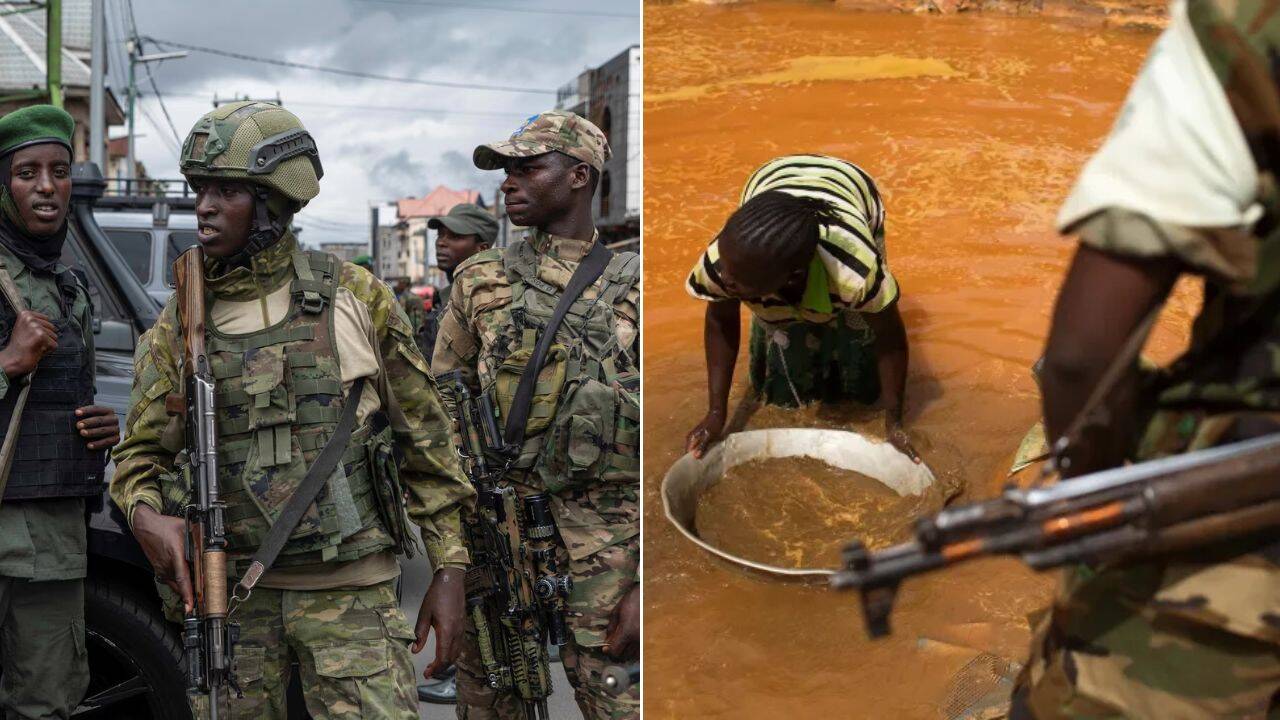
Armed groups operating across eastern Democratic Republic of Congo have increasingly turned the M23 conflict into an opportunity for financial gain, establishing parallel economies built on illegal commerce and extortion. The proliferation of armed factions has created a complex web of overlapping interests, where various militias and guerrilla groups maintain control over key trade routes and natural resources.
Weapons trafficking represents one of the most profitable enterprises, with armed groups serving as intermediaries in a regional arms market. These organizations intercept, redistribute, and sell military hardware across porous borders, generating substantial revenues while simultaneously fueling further conflict and instability throughout the region.
Gold mining and smuggling operations provide another significant income stream. Armed groups have established control over mineral-rich zones, taxing mining activities and smuggling extracted gold through informal networks that circumvent government oversight and international sanctions. This illicit resource trade perpetuates cycles of violence while enriching military commanders and faction leaders.
Toll collection on roads and commercial transport routes represents a third mechanism of profit-taking. Armed groups have effectively established checkpoints along key trade corridors, extracting fees from merchants, transporters, and civilians passing through territory under their control. These informal taxation systems generate steady revenue while simultaneously strangling legitimate economic activity.
The intersection of these illicit economies sustains ongoing military operations and enables armed groups to maintain recruitment capacity and operational sustainability, creating perverse incentives that complicate peace efforts and perpetuate humanitarian crises affecting millions of civilians across eastern Congo.