Politics · India Bureau
Congress defends 1937 stance on Vande Mataram song protocol
The Indian National Congress clarified its historical position on Vande Mataram, citing a 1937 resolution that recommended limiting the patriotic song to its first two stanzas at national events. The party said the recommendation reflected consensus among prominent freedom struggle leaders.
LSN India ·
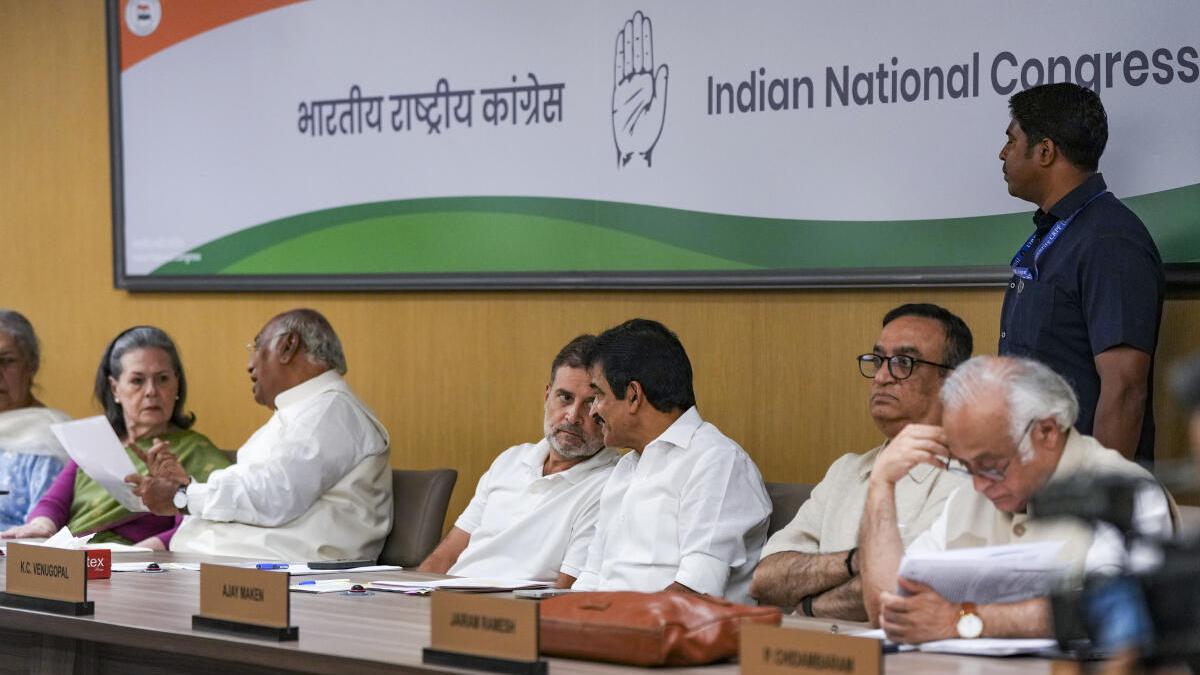
The Congress party has renewed focus on a resolution adopted in 1937 that addressed the recitation of Vande Mataram, the nationalist anthem composed by Bankim Chandra Chattopadhyay. According to the party's account, the resolution advocated for performing only the opening two stanzas of the composition during official national gatherings and ceremonies.
Party officials stated that the 1937 resolution was not an isolated decision but rather embodied the collective perspective of several key figures in India's independence movement. The recommendation emerged from deliberations among Congress leadership at a time when the organization was intensifying its struggle against British colonial rule.
The historical resolution has gained renewed relevance in contemporary discussions about national symbols and their appropriate usage. Vande Mataram, which translates to "I bow to thee, Mother," holds significant cultural and patriotic importance in India's national consciousness.
Congress leaders have sought to contextualize the 1937 decision within the intellectual and political framework of the pre-independence era, suggesting it represented thoughtful consideration rather than diminishment of the song's importance. The party's clarification appears aimed at addressing ongoing debates about the proper protocols for national symbols in modern India.