Politics · India Bureau
Congress questions UPI policy shift, alleges favour to US card firms
The opposition Congress party has challenged the government's decision on merchant discount rates, suggesting the move may benefit American payment card companies at UPI's expense. The party's communications chief raised questions about the rationale behind the policy shift.
LSN India ·
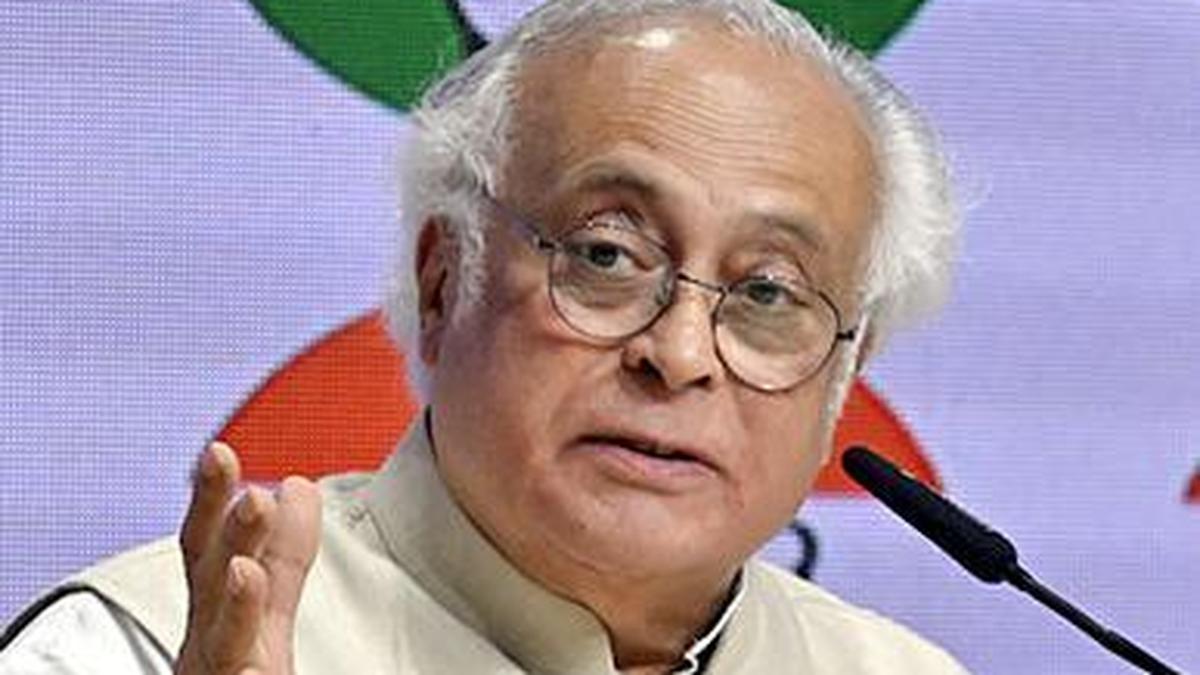
The Indian National Congress has questioned the government's recent policy decision regarding merchant discount rates (MDR), alleging it may have been designed to advantage U.S. card companies competing against the homegrown Unified Payments Interface system.
Jairam Ramesh, the Congress's chief spokesperson, raised concerns about the government's approach during recent parliamentary discussions. He sought clarification on whether the MDR adjustment was intended to create space for American payment processors to gain traction in India's digital payments market.
The remarks come as India's digital payments landscape remains intensely competitive, with UPI establishing significant market share through its government-backed infrastructure. American payment card networks have sought greater integration into India's payment systems, though regulatory frameworks continue to prioritize domestic solutions.
The Congress's challenge reflects broader opposition scrutiny of the government's economic policy decisions, particularly those affecting domestic technology champions. The party has previously questioned various regulatory and policy moves it characterizes as favouring foreign commercial interests.
The government has not yet issued a formal response to the Congress's allegations regarding the MDR policy rationale.