World · India Bureau
Connecticut Volunteers Use Clams in Bid to Restore Coastal Eelgrass Meadows
A community-led initiative in Connecticut is employing an unconventional technique to reverse the dramatic decline of eelgrass meadows in Long Island Sound. Volunteers are attaching eelgrass seeds to clam shells to aid restoration efforts in waters that have lost over 90% of their seagrass coverage.
LSN India ·
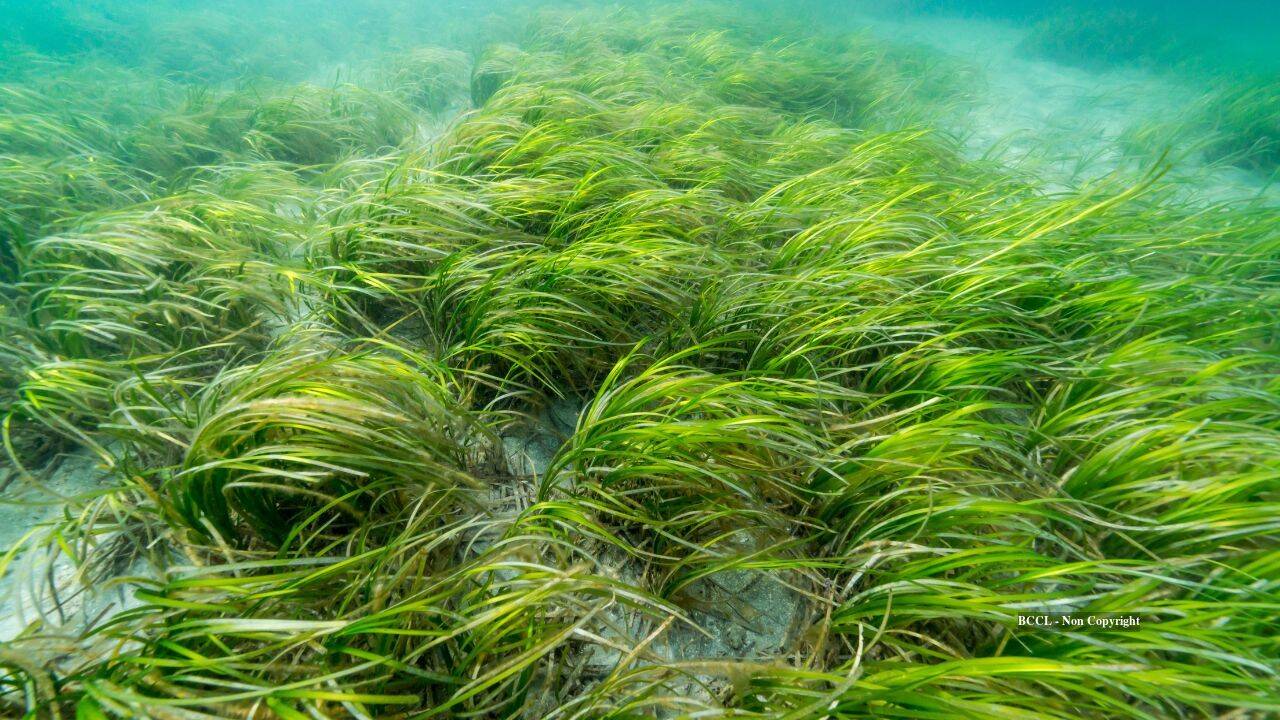
Eelgrass meadows in Long Island Sound have experienced catastrophic decline over recent decades, with coverage plummeting by more than 90% from historical levels. In response, volunteers in Connecticut have developed a nature-based restoration strategy that leverages an unlikely ally: clam shells. By attaching eelgrass seeds directly to the shells of clams, project participants have created a mechanism that allows seeds to embed more effectively into the seabed, mimicking natural conditions that promote germination and growth.
The innovative approach addresses a fundamental challenge in seagrass restoration: seeds typically float away or fail to establish in sandy or silty substrates. The clam shells serve as anchors, keeping seeds in place long enough to develop root systems and take hold on the seafloor. Early monitoring of pilot restoration sites has yielded encouraging results, with participating areas showing improved eelgrass coverage compared to untreated control zones.
However, project coordinators acknowledge that the long-term viability of restored meadows remains uncertain. Researchers continue to assess whether newly established eelgrass beds will persist through seasonal variations and environmental stressors, or whether ongoing intervention will be required to maintain gains. The initiative demonstrates how grassroots conservation efforts can combine traditional ecological knowledge with practical innovation.
The restoration project reflects growing recognition among coastal communities that eelgrass meadows provide critical ecosystem services, including nursery habitat for commercially important fish species, water quality improvement, and carbon sequestration. As similar initiatives emerge globally, the Connecticut volunteer program offers valuable insights into scaling community-driven solutions for marine habitat recovery.