Culture & Entertainment · India Bureau
Conservationists balance ecosystem restoration with breed preservation on California island
A decades-long conservation effort on California's Santa Cruz Island removed thousands of feral sheep to restore the ecosystem, while simultaneously preserving a rare heritage breed through a captive breeding programme.
LSN India ·
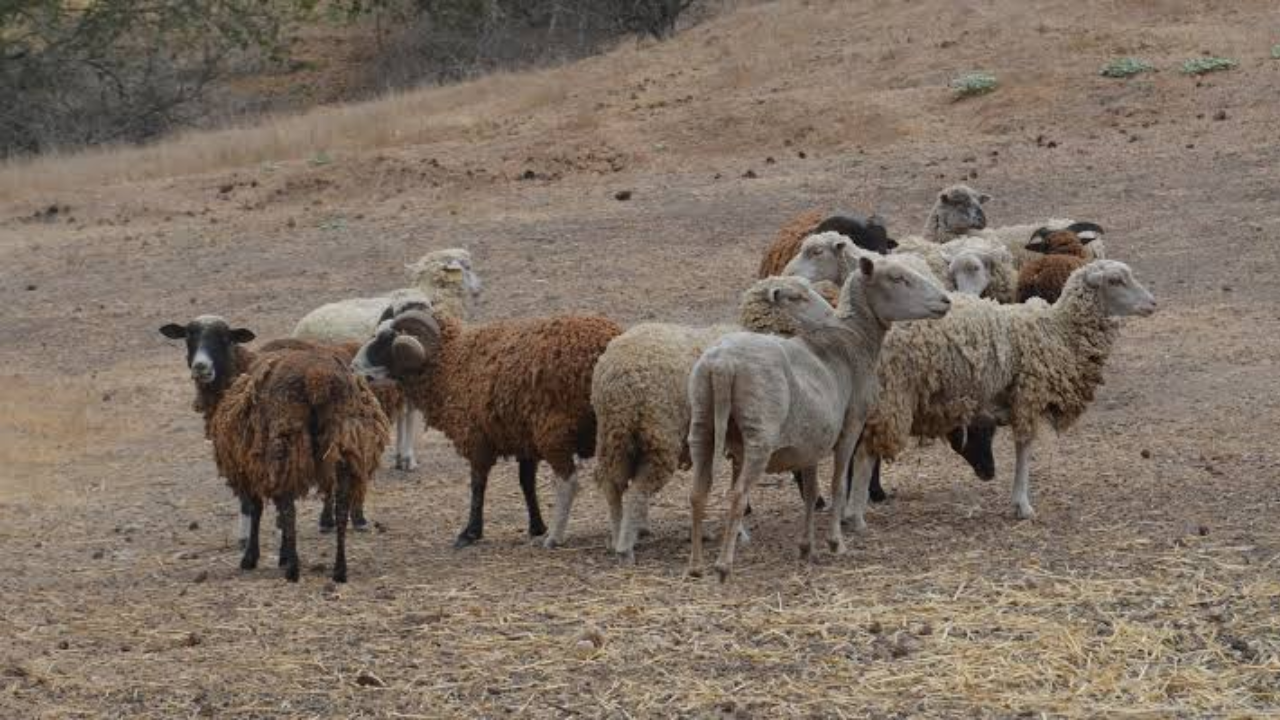
Beginning in 1980, wildlife conservationists embarked on an ambitious project to eliminate feral sheep from Santa Cruz Island, one of the Channel Islands off the California coast. The invasive animals had significantly degraded the island's delicate ecosystem, prompting environmental authorities to launch an intensive eradication campaign that would span seven years.
The removal effort proved remarkably successful in ecological terms, with thousands of sheep eliminated to allow native vegetation and wildlife to recover. However, the large-scale culling threatened to erase a unique genetic heritage—the feral population represented a distinct strain of sheep with historical roots in California's agricultural past.
Recognizing the conservation value of preserving this rare bloodline, wildlife experts rescued twelve lambs from the island before the eradication was completed. These animals formed the foundation of a captive breeding programme established on the mainland, ensuring the survival of the heritage breed despite the ecological necessity of removing their wild counterparts from the island.
The dual-track approach demonstrated how modern conservation can balance ecosystem restoration with cultural and genetic preservation. The successful breeding initiative has ensured that California's unique agricultural heritage remains viable for future generations, even as Santa Cruz Island's native ecosystems have begun their recovery.