Politics · World News Bureau
Conservative U.S. Supreme Court Reshapes Campaign Finance Rules Ahead of Midterms
The ideologically conservative U.S. Supreme Court has issued a series of decisions that fundamentally alter campaign finance regulations and voting rules for the upcoming midterm elections. Legal experts say the rulings could significantly impact how candidates campaign and how Americans exercise their voting rights.
LSN World News ·
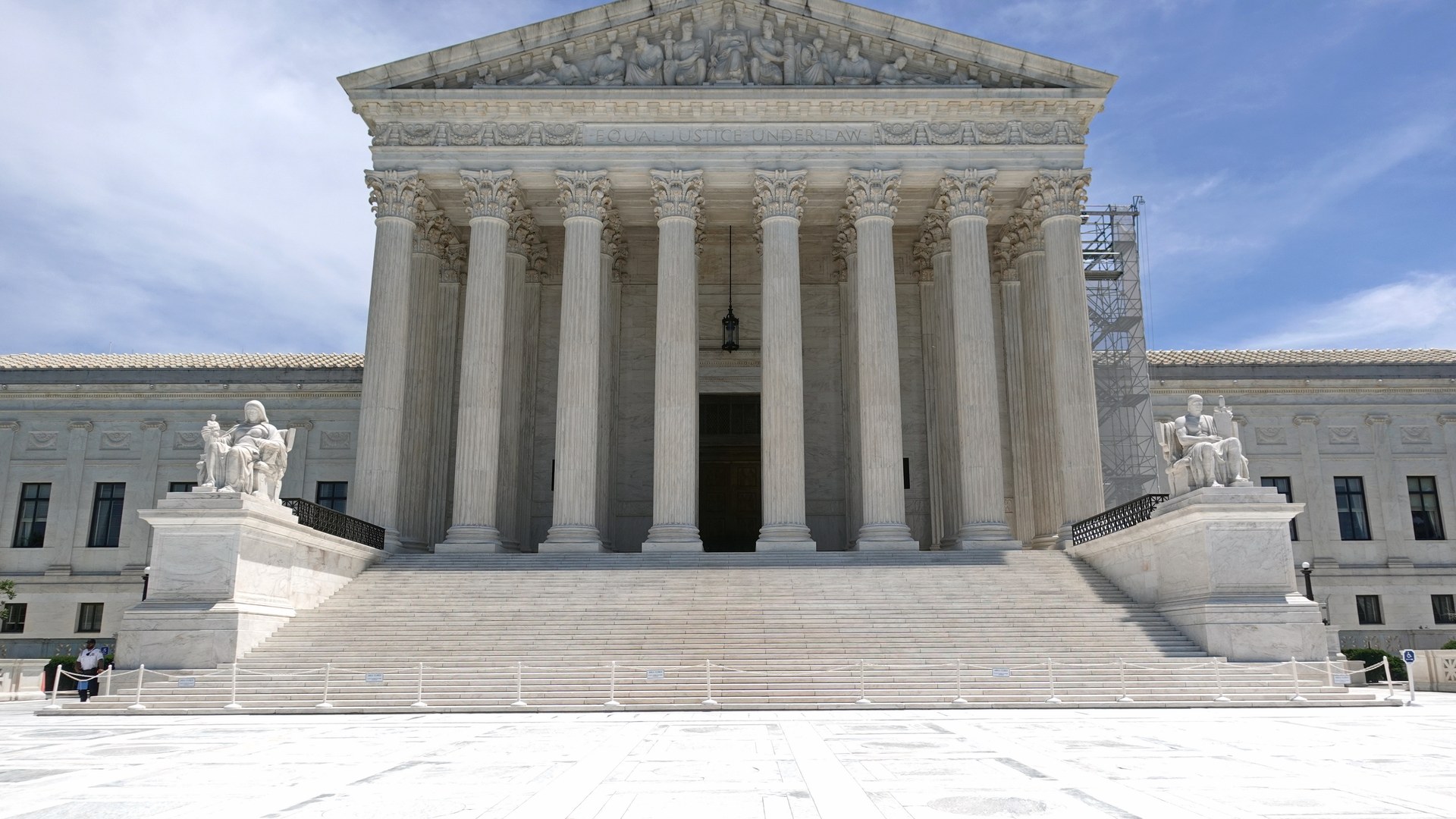
The U.S. Supreme Court's conservative majority has issued multiple rulings in recent months that reshape the legal landscape governing campaign finance and election administration ahead of the 2022 midterm elections. These decisions mark a significant departure from previous Court precedent and have drawn scrutiny from legal analysts who question their broader implications for American democracy.
Among the most consequential rulings was the Court's decision on campaign spending restrictions, which removed certain barriers to unlimited political contributions. The decision has opened pathways for increased spending by outside groups seeking to influence electoral outcomes, according to legal experts monitoring the cases. Additionally, the Court has issued separate rulings affecting voter registration requirements and ballot access procedures in several states.
Election officials and voting rights advocates have expressed concern about the timing and scope of these decisions, which come as campaigns intensify heading into the November midterms. The rulings are expected to reshape campaign strategies and fundraising operations for both major political parties, though analysts differ on which side may benefit most from the new regulatory environment.
The decisions reflect the Court's ideological composition following recent appointments, with the conservative-leaning justices frequently voting as a bloc on high-profile cases. Legal scholars suggest the rulings represent a broader judicial philosophy favoring deregulation of political speech and expenditures, consistent with conservative jurisprudence on constitutional matters.
Photo: The United States Supreme Court Building in Washington, D.C., June 2024. 颐园居 via Wikimedia Commons (CC BY-SA 4.0).