Business · Pakistan Bureau
Constitutional court strikes down Sindh and KP infrastructure cess, overturning high court rulings
The Federal Constitutional Court ruled the provincial levies on goods were beyond the provinces' legislative competence; a detailed judgment is yet to be issued.
LSN Pakistan ·
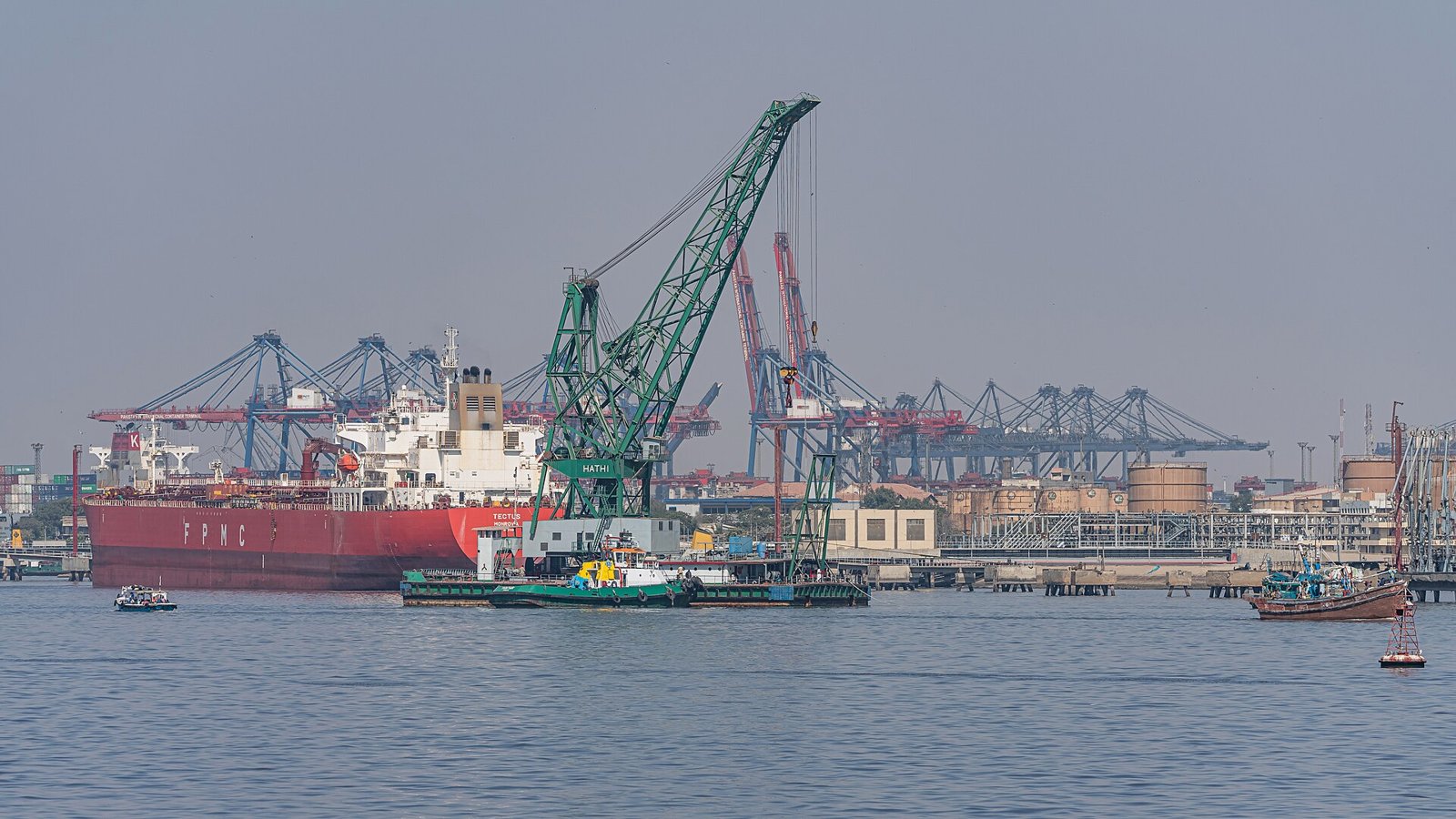
<p>Pakistan's Federal Constitutional Court (FCC) on Thursday set aside rulings by the Sindh High Court and the Peshawar High Court that had upheld infrastructure cess levied by the Sindh and Khyber Pakhtunkhwa governments, declaring the provincial laws beyond the provinces' legislative competence, Dawn and Business Recorder reported.</p>
<p>A two-judge bench headed by FCC Chief Justice Aminuddin Khan, and also comprising Justice Aamer Farooq, announced its reserved judgment through a short order read in court, according to the reports. Business Recorder said the detailed judgment had not yet been released.</p>
<p>The bench was hearing a batch of 568 petitions filed by private petitioners, Dawn reported. They challenged the Sindh Development and Maintenance of Infrastructure Cess Act, 2017, which taxes goods entering or leaving Sindh from or for abroad by air or sea, and the Khyber Pakhtunkhwa Infrastructure Development Cess Act, 2022, which levies a cess on the movement of goods in that province. A 2024 amendment had raised the KP cess rate from 1% to 2%.</p>
<p>The Sindh High Court upheld the Sindh levy in a judgment of June 4, 2021, while the Peshawar High Court dismissed 157 petitions against the KP cess on November 14, 2025.</p>
<p>Counsel for the petitioners argued that provinces lacked constitutional authority to impose fiscal levies on imports, exports and goods within the federal legislative domain, and that the laws encroached on Parliament's exclusive powers under the Federal Legislative List, according to Business Recorder. The Sindh and KP governments defended the cess as a provincial levy to finance infrastructure and roads, rather than a customs or export duty, the newspaper reported.</p>
<p>The Express Tribune described the ruling as a decision in favour of the taxpayers who had challenged the provinces' authority to impose the charges.</p>