Politics · India Bureau
Constitutional experts flag concerns over state power limits in protest crackdowns
Large-scale detentions and travel restrictions imposed on activists and protesters have renewed scrutiny of India's constitutional protections for peaceful assembly. Legal scholars and rights advocates are questioning whether preventive policing measures align with democratic freedoms and fundamental rights.
LSN India ·
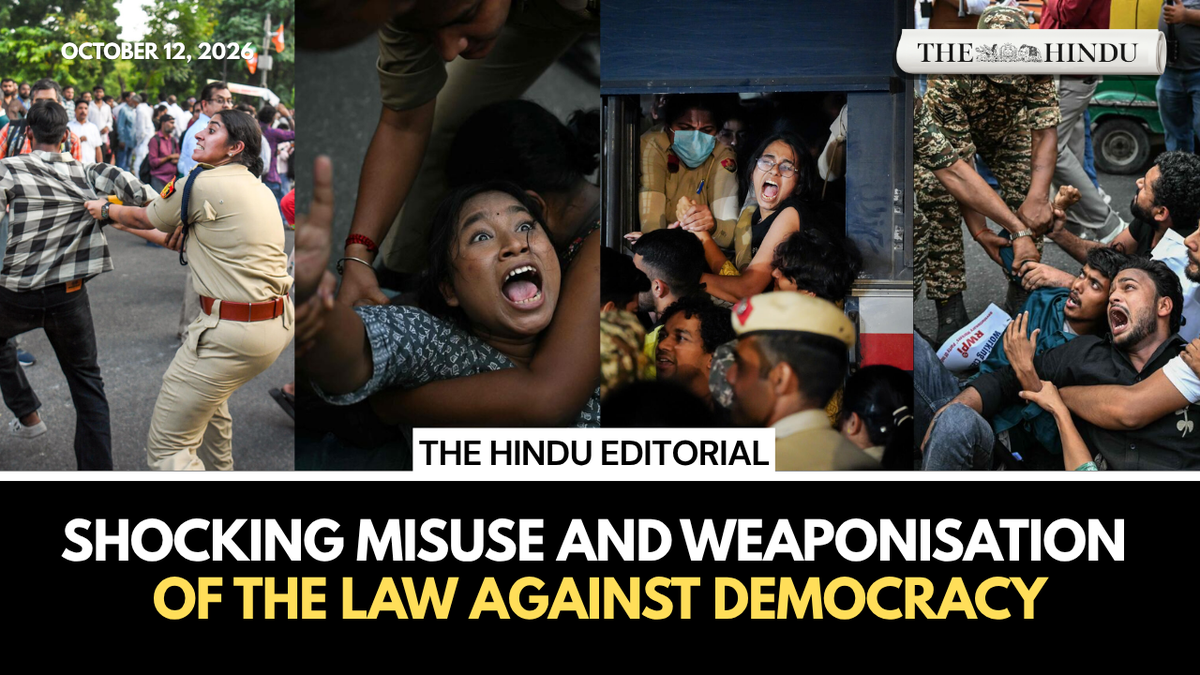
The mass detentions and restrictions on movement targeting thousands of activists, students and political leaders during a recent October 10 protest have sparked fresh debate over the balance between state authority and citizens' constitutional protections, with experts questioning whether such measures respect India's democratic framework.
Thousands of individuals faced preventive detention, travel bans and enhanced security measures surrounding the protest event, prompting civil society and legal commentators to examine the scope and application of state powers in managing public demonstrations. The incident has highlighted the tension between maintaining public order and preserving the fundamental right to peaceful assembly guaranteed under India's Constitution.
Preventive policing strategies—which authorize authorities to detain individuals before any alleged offense occurs—have come under particular scrutiny. Legal analysts argue that such measures require strict justification and oversight to prevent misuse, particularly when applied to political protests and dissenting voices.
Constitutional experts have emphasized that while governments possess legitimate powers to maintain order, these must be exercised within legal boundaries and with proportionality. The debate underscores ongoing challenges in India regarding the protection of democratic freedoms, the limits of administrative action, and the need for accountability mechanisms to prevent the abuse of state power against citizens exercising their rights.