Culture & Entertainment · India Bureau
Contaminated well water linked to brain infection risk in Kerala
A scientific study has established that poorly maintained well water poses a significant health threat in Kerala, where millions rely on these sources for daily use. Researchers found a direct connection between well water quality and cases of amoebic meningoencephalitis, a serious brain infection.
LSN India ·
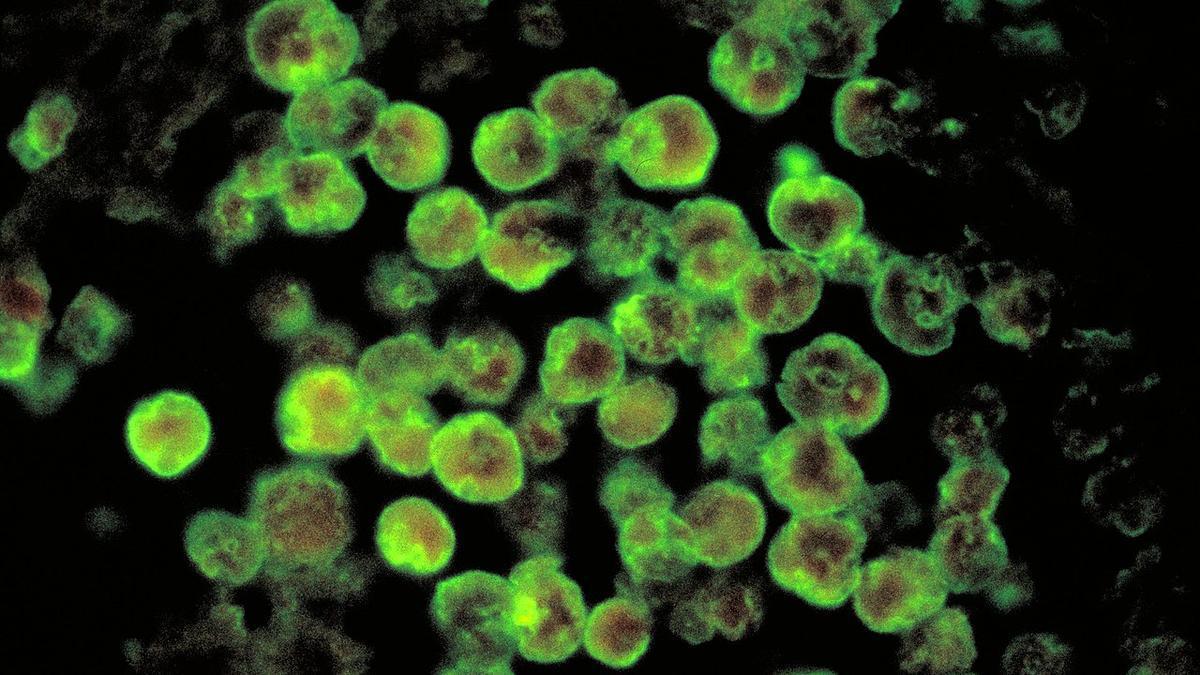
Scientists in Kerala have identified contaminated well water as a major risk factor for amoebic meningoencephalitis, a rare but potentially fatal parasitic infection of the brain and spinal cord. The findings, based on a case-control study, represent the first rigorous scientific evidence documenting the poor microbiological quality of well water in the state.
Amoebic meningoencephalitis is caused by Naegleria fowleri, a free-living amoeba found in freshwater environments. The infection typically occurs when contaminated water enters the nasal passages during bathing or water exposure. While uncommon, the condition carries high mortality rates and can cause severe neurological complications in survivors.
The study examined households and water sources in Kerala, comparing those affected by the infection with control groups. Researchers documented inadequate sanitation practices and contamination levels in wells that many residents depend on for bathing, drinking, and domestic purposes. The findings highlight the vulnerability of populations relying on groundwater sources without proper testing or treatment protocols.
Health experts recommend that residents using well water implement basic safety measures, including boiling water before consumption and using protective equipment during bathing. The study underscores the need for improved water quality monitoring and public health awareness in regions dependent on traditional water sources.
Keeping safe distance from contaminated water during recreational activities and ensuring proper well maintenance can significantly reduce infection risk. Health authorities are expected to use these findings to develop targeted intervention strategies for affected communities.