World · India Bureau
Controlled Burns Become Wildfire Prevention Strategy in Fire-Prone Regions
Communities increasingly turn to prescribed burning to reduce catastrophic wildfire risks by mimicking natural fire cycles and clearing accumulated fuel. The approach has gained traction among agencies and landowners seeking sustainable coexistence with fire-prone landscapes.
LSN India ·
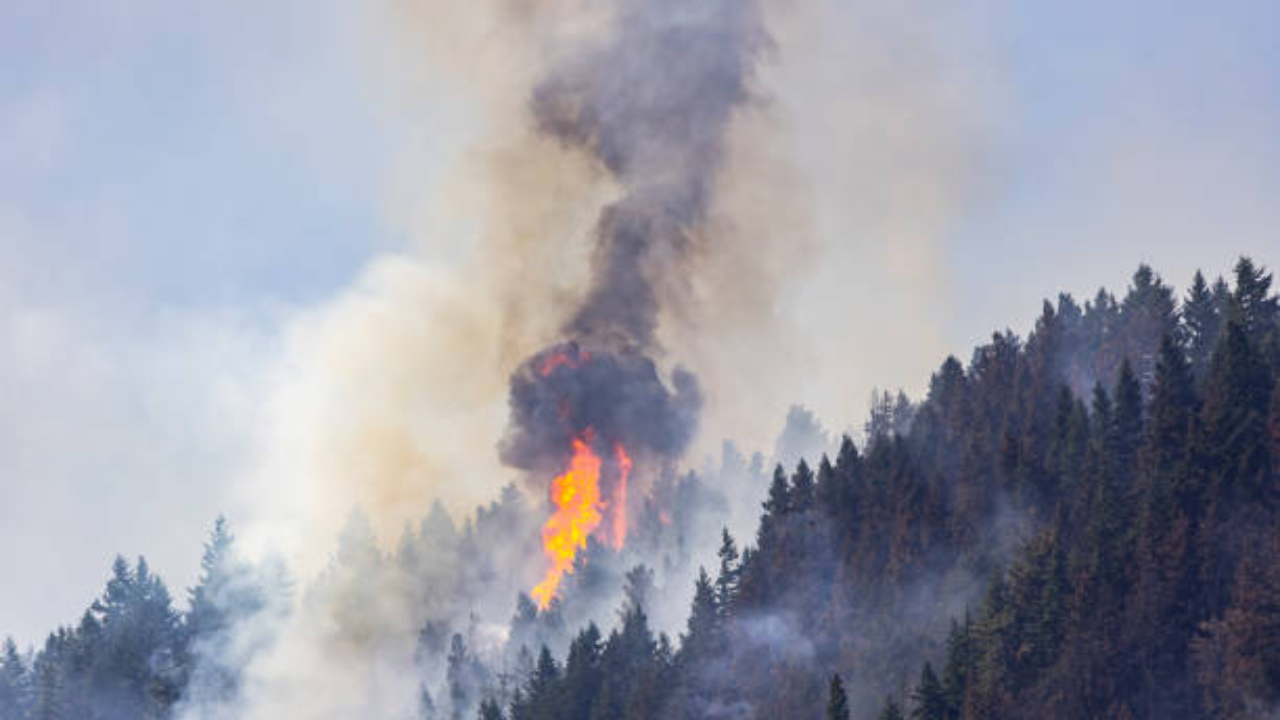
Prescribed burns—controlled fires set intentionally by land management agencies—are emerging as a critical tool in wildfire mitigation strategies across fire-prone regions. By replicating natural fire cycles, these managed burns effectively reduce the buildup of vegetation and dead wood that can fuel devastating wildfires.
Roslyn, a town that faced a near-catastrophic wildfire threat in 2017, has become a focal point for this innovative approach. Nearly a decade later, the community undertook extensive prescribed burning operations across more than 500 acres, demonstrating a shift toward proactive fire management rather than reactive crisis response.
The success of such initiatives depends on coordinated efforts among multiple stakeholders. Government agencies, private landowners, and local communities must work collaboratively to implement and maintain these controlled burn programs. This partnership model has proven effective in gaining buy-in from various interest groups and ensuring sustained implementation.
The prescribed burn strategy represents a fundamental rethinking of humanity's relationship with fire in naturally fire-prone ecosystems. Rather than attempting to exclude fire entirely—an approach that often leads to dangerous fuel accumulation—communities are learning to integrate periodic, manageable fires into their landscape management plans. This paradigm shift offers a more sustainable pathway for regions grappling with escalating wildfire risks.