World · India Bureau
Cool roads cut heat, but cities need shade strategy too
Phoenix's experiment with reflective road coatings reduced asphalt temperatures by 12 degrees Fahrenheit, but researchers warn that additional measures like tree cover are essential for protecting pedestrians from urban heat.
LSN India ·
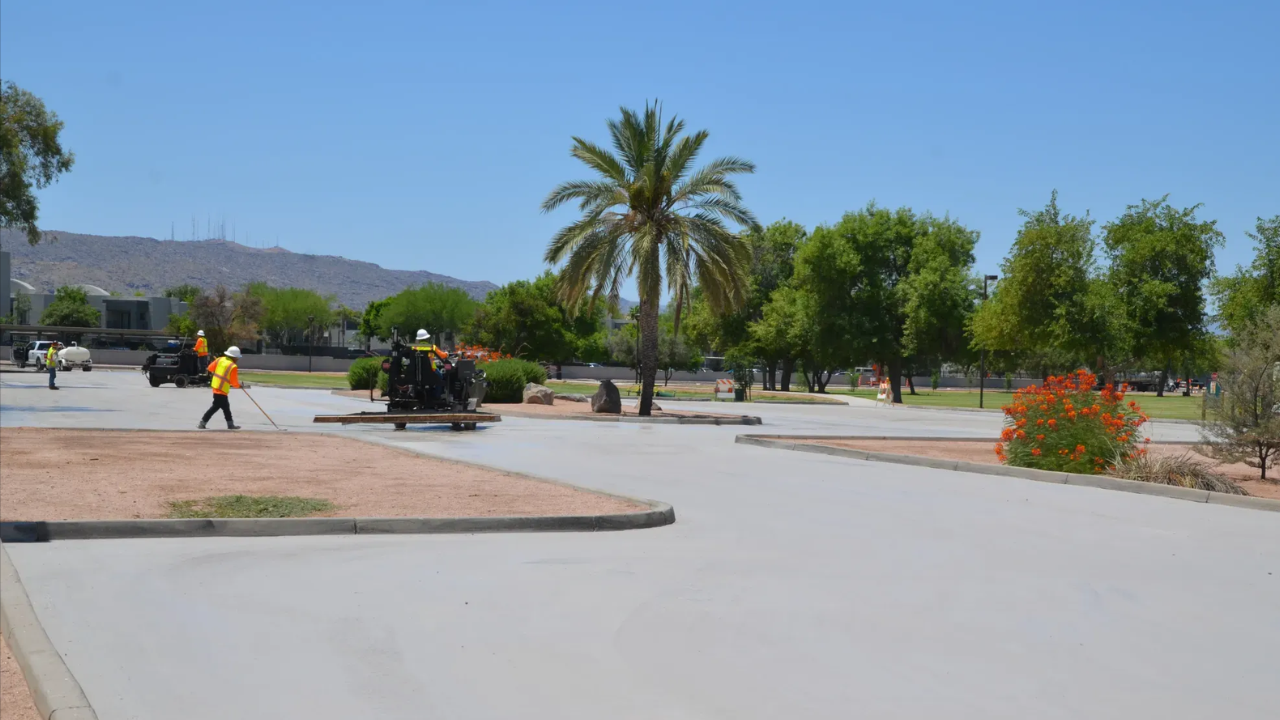
Phoenix coated 36 miles of city roads with reflective surface treatments in 2020 as part of an ambitious effort to combat the urban heat island effect that plagues the sprawling desert metropolis. The initiative proved partially successful: temperatures on treated asphalt surfaces dropped by approximately 12 degrees Fahrenheit at midday compared to conventional dark pavement, offering measurable relief to the infrastructure itself.
However, the results revealed a critical limitation of the single-solution approach. Researchers studying the project's outcomes found that while the reflective coatings reduced pavement temperatures, they inadvertently intensified heat radiation exposure for pedestrians and street-level users in close proximity to the treated surfaces. The bright coating's reflective properties, beneficial for the roads themselves, created uncomfortable conditions for people standing or walking near the reflective pavement during peak heat hours.
These findings have prompted urban planners and climate researchers to reconsider how cities tackle extreme heat. Experts now emphasize that reflective road treatments work most effectively as part of a comprehensive strategy that includes abundant shade from mature trees, building overhangs, and other structures. The combination of cooler surfaces and strategic shade placement creates genuinely liveable urban environments, rather than simply shifting heat problems between infrastructure and people.
The Phoenix experience underscores a broader lesson for cities across South and Southeast Asia facing rising temperatures: solving urban heat requires multifaceted approaches rather than relying on any single intervention. Policymakers are increasingly exploring integrated solutions that balance infrastructure cooling with pedestrian comfort and public health protection.