World · India Bureau
Cooperative sector needs greater representation of SC/ST members
Stakeholders are pushing for enhanced inclusion of Scheduled Caste and Scheduled Tribe members in India's cooperative movement, citing persistent underrepresentation in leadership and decision-making roles.
LSN India ·
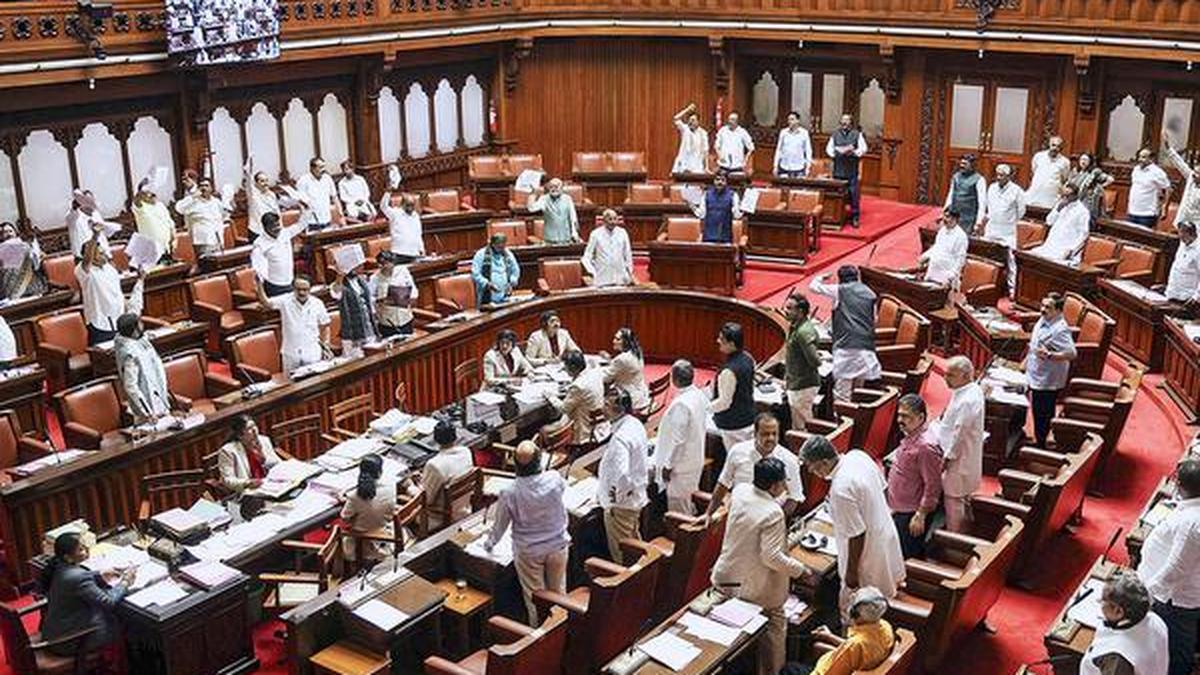
India's cooperative sector faces growing calls to expand participation of SC/ST communities in governance structures and management positions, reflecting broader concerns about equitable representation in the country's cooperative movement.
Advocates contend that despite constitutional safeguards and reservation policies, Scheduled Caste and Scheduled Tribe members remain significantly underrepresented in cooperative societies, particularly in senior administrative and executive roles. The imbalance limits their ability to influence policies affecting their livelihoods and access to cooperative benefits.
Proponents argue that meaningful inclusion would strengthen cooperative institutions by tapping broader talent pools while advancing the constitutional commitment to social equity. They point to successful models in certain states where targeted recruitment and capacity-building initiatives have expanded SC/ST participation in cooperative management.
The push for greater representation aligns with ongoing debates about inclusive economic participation in India. Stakeholders are urging state and central cooperative authorities to implement concrete measures including reserved positions, leadership development programmes, and awareness campaigns to encourage SC/ST involvement in cooperative structures at all levels.