World · India Bureau
COP31 Shifts Focus from Pledges to Concrete Climate Action
As global temperatures soar and glaciers melt across Asia, negotiators at COP31 face mounting pressure to move beyond declarations toward binding commitments on fossil fuel phaseouts and climate finance for developing nations.
LSN India ·
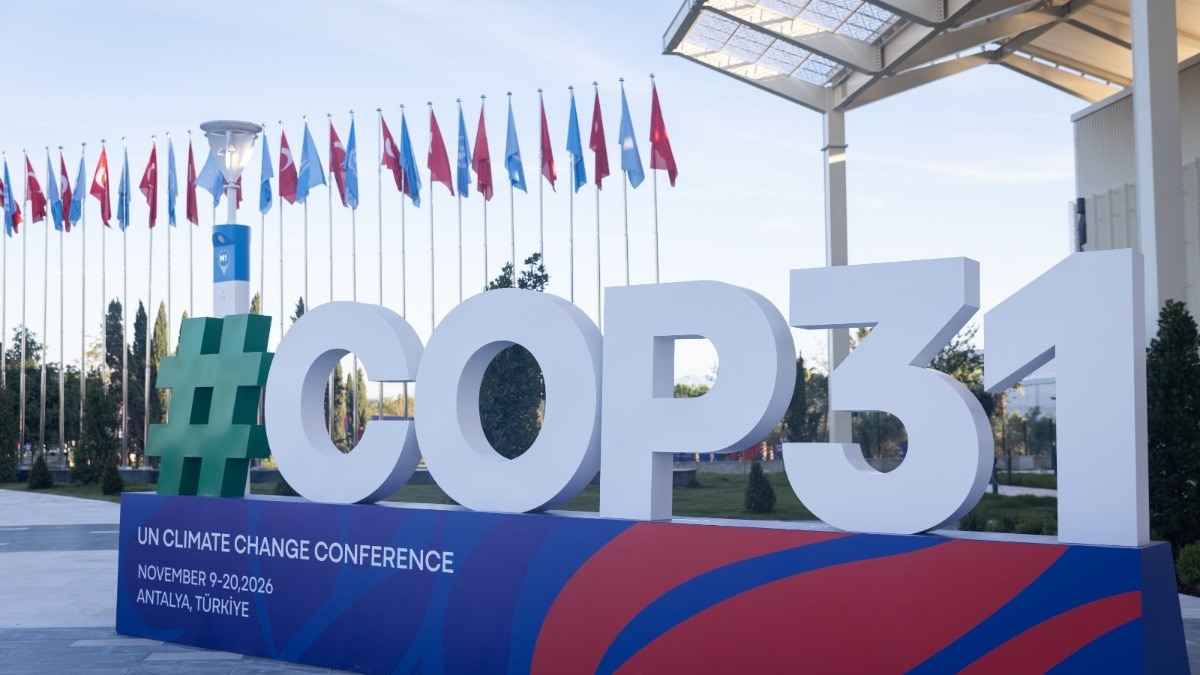
The 31st Conference of the Parties to the UN Framework Convention on Climate Change arrives at a critical juncture, with climate impacts intensifying across South and Southeast Asia. Rising temperatures, accelerating glacier melt, and intensifying cycles of flooding and drought have rendered rhetorical commitments insufficient, delegates acknowledged as negotiations commenced.
The conference agenda prioritises three interconnected imperatives: accelerating the transition away from fossil fuels, scaling renewable energy infrastructure, and establishing robust climate finance mechanisms. Developing nations, particularly vulnerable to climate volatility, are pressing wealthy economies to fulfil long-standing pledges of climate-related financial assistance and technology transfer.
India and its regional peers face disproportionate climate risks despite contributing minimally to historical emissions. Agricultural communities dependent on monsoon patterns face erratic precipitation, while coastal populations confront rising sea levels. Negotiators from the region are expected to emphasise the principle of common but differentiated responsibilities, arguing that industrialised nations must bear greater financial burdens in mitigation and adaptation efforts.
The pathway forward hinges on translating political commitments into enforceable frameworks with measurable targets and accountability mechanisms. Without substantial progress on climate finance and fossil fuel transition timelines, analysts warn that COP31 risks repeating the pattern of announcements that have characterised previous summits while climate impacts continue to accelerate across Asia's vulnerable populations.