Politics · World News Bureau
Corporate influence reshapes global power dynamics with governments
As multinational corporations expand their economic footprint across borders, a fundamental shift in power distribution between state and private sector institutions is reshaping how nations govern and economies function globally.
LSN World News ·
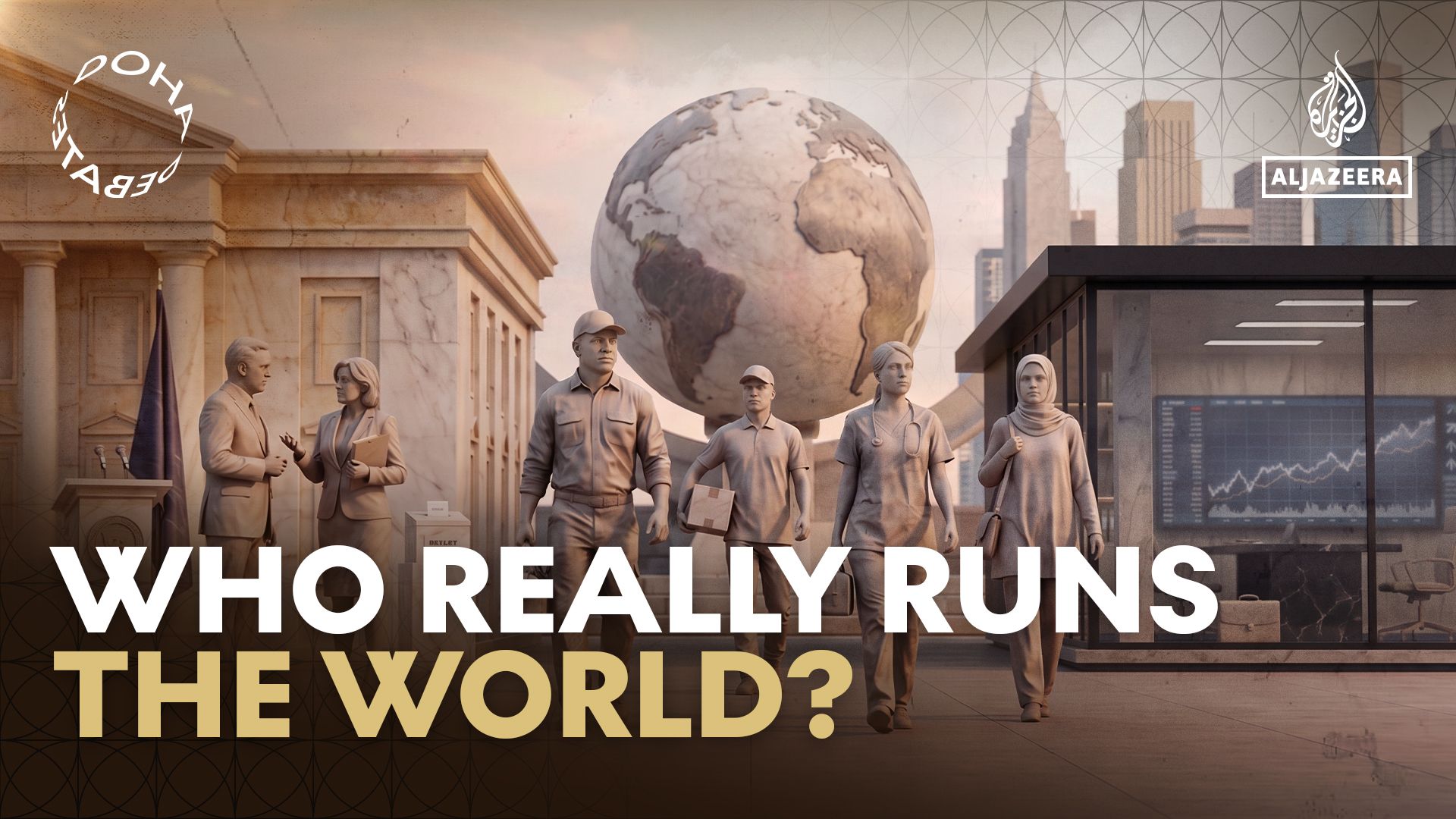
The traditional balance between governmental authority and corporate influence has undergone significant transformation in recent decades, with major corporations wielding unprecedented influence over policy, trade, and cross-border relations. Multinational enterprises now operate across jurisdictions with regulatory frameworks that often struggle to keep pace with their scope and complexity, creating power vacuums that private entities increasingly fill.
Governments retain formal legislative and enforcement authority within their territories, yet face mounting pressure from corporate lobbying, capital mobility, and the threat of investment relocation. In many sectors—from technology and finance to energy and pharmaceuticals—corporations set industry standards and shape consumer behavior at scales that rival state institutions. Their control over critical infrastructure, data, and supply chains grants them leverage in negotiations with elected officials.
yet governmental power remains irreplaceable in areas corporations cannot replicate: taxation, law enforcement, military capability, and democratic representation. Developing nations in South and Southeast Asia face particularly acute tensions, as they balance attracting foreign investment against protecting domestic interests and sovereignty.
Experts increasingly characterize modern governance as a hybrid model where state and corporate actors negotiate influence rather than one dominating the other. The outcome varies by sector, nation, and issue, suggesting that power today is distributed across networks rather than concentrated in either institution. This fragmentation creates both opportunities for private-sector efficiency and risks of regulatory capture and inequality.