World · World News Bureau
Corporate negligence and weak enforcement blamed for Southeast Asia's air crisis
Environmental advocates and regional governments are escalating pressure on Indonesian companies engaged in land-clearing operations, while regulators face mounting criticism for their failure to enforce existing prohibitions on destructive burning practices.
LSN World News ·
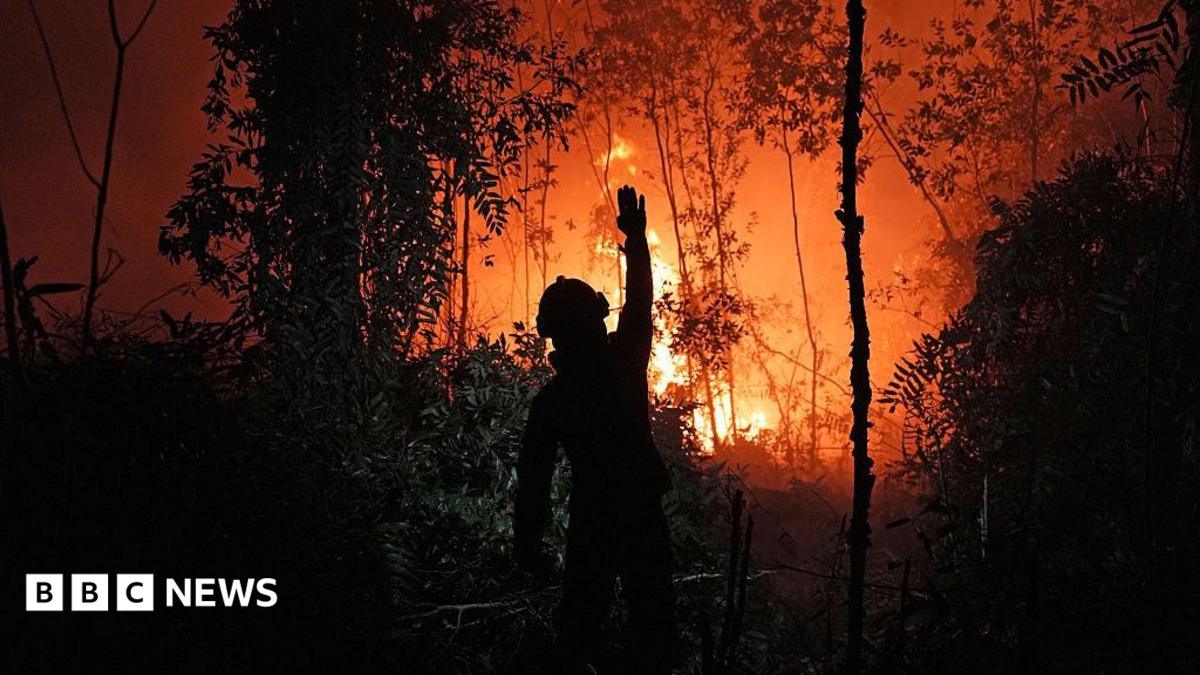
Southeast Asia's recurring air quality crisis has reignited debate over responsibility for the toxic haze that periodically blankets the region, with particular focus on Indonesia's agricultural and plantation sectors. Large-scale land-clearing operations, including deliberate burning to prepare land for cultivation, have been identified as a primary source of the region's most severe air pollution episodes.
Environmental organizations and affected governments across Southeast Asia have intensified calls for accountability, targeting both the companies conducting these operations and Indonesian authorities tasked with enforcement. Critics argue that existing regulations prohibiting land burning remain poorly enforced, allowing industrial actors to proceed with practices widely acknowledged as environmentally destructive.
The burning of cleared land, particularly during dry seasons, releases substantial quantities of particulate matter and pollutants into the atmosphere. The resulting haze has documented impacts on air quality across neighboring countries, affecting millions of people and prompting public health warnings in regional urban centers.
Indonesian environmental agencies have defended their enforcement efforts while acknowledging challenges in monitoring vast plantation areas. However, observers contend that penalties for violations have proven insufficient to deter non-compliance, and that political and economic pressures have undermined regulatory action.
Regional governments have called for stronger cross-border cooperation and more stringent corporate accountability mechanisms to address the recurring crisis. International pressure and domestic civil society mobilization continue to mount as communities across Southeast Asia demand action on what has become an annual environmental crisis.