World · Bangladesh Bureau
Correcting Fishing Practices Could Restore Hilsa Stocks, Experts Say
Fisheries experts believe Bangladesh can revive dwindling hilsa populations by addressing key management failures. The nation's signature fish species faces threats from unsustainable practices that could be reversed with proper intervention.
LSN Bangladesh ·
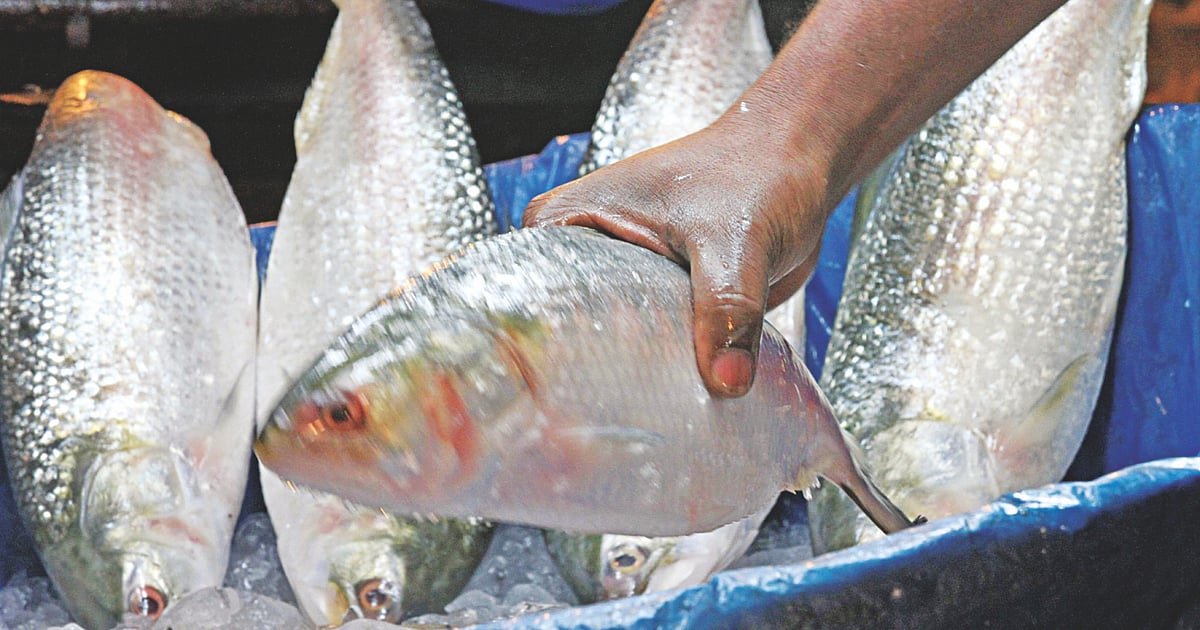
Bangladesh's hilsa industry stands at a critical juncture, with fisheries specialists arguing that targeted corrections to current practices could restore the iconic fish to historical abundance levels. The Bangladeshi hilsa, which represents a significant portion of national fish production and cultural heritage, has experienced substantial population fluctuations in recent years due to various pressures on aquatic ecosystems.
Experts point to several specific issues requiring attention to reverse the declining trend. These include overfishing during breeding seasons, inadequate enforcement of closed-season regulations, pollution in riverine systems, and habitat degradation in breeding grounds. Each of these factors contributes to reduced spawning success and lower juvenile survival rates, undermining natural population renewal cycles.
Fisheries officials emphasize that solutions are within reach if stakeholders commit to comprehensive management reforms. Strengthening monitoring systems, extending and enforcing breeding season protections, and improving water quality in key hilsa rivers are among priority measures. Success will require coordination between government agencies, fishing communities, and environmental organizations.
The potential rewards are substantial. Restoring hilsa stocks would benefit thousands of fishing families dependent on the trade, enhance food security across the region, and preserve a species deeply embedded in Bengali culinary and cultural traditions. Authorities indicate that early signs of population recovery in certain areas suggest the species can rebound with appropriate safeguards in place.