Politics · India Bureau
Corrosion costs India ₹14.1 trillion yearly despite infrastructure push
India's rapidly expanding infrastructure faces a hidden drain as corrosion damage costs the economy an estimated ₹14.1 trillion annually. The mounting expense raises concerns about whether maintenance standards are keeping pace with the country's aggressive asset creation agenda.
LSN India ·
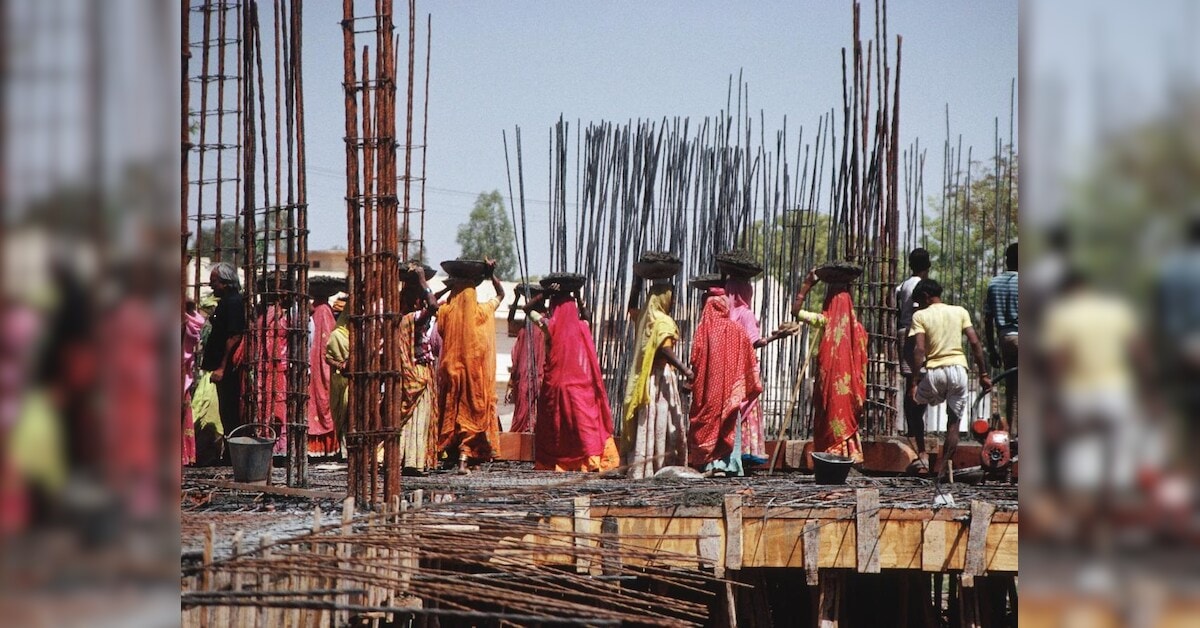
India's infrastructure development programme has accelerated significantly in recent years, with substantial investments in roads, ports, railways and industrial assets. However, a major economic analysis suggests that corrosion-related degradation is eroding much of these gains, with damage costs reaching approximately ₹14.1 trillion per year according to research by Nomura.
The scale of this financial burden points to a critical gap between the pace of new infrastructure creation and the maintenance practices deployed to preserve it. Corrosion affects a wide range of assets including steel structures, pipelines, bridges and coastal facilities, with costs spanning repair expenses, productivity losses and shortened asset lifecycles.
Experts argue that the disparity reflects broader challenges in India's infrastructure management, including inconsistent application of quality standards, inadequate maintenance regimes and environmental factors such as humidity and salinity in certain regions. The gap becomes more pronounced as infrastructure assets age and accumulate damage.
The issue carries significant implications for the sustainability of India's infrastructure investments and government finances. Addressing corrosion more effectively through improved design standards, regular maintenance schedules and protective coatings could deliver substantial savings while extending asset lifespans and improving service reliability.
As India continues expanding its infrastructure footprint, policymakers face mounting pressure to align maintenance capabilities with construction ambitions, ensuring that new assets deliver their intended long-term value rather than succumbing to preventable degradation.