Politics · Singapore Bureau
Cost of living, housing dominate New Zealand's election race
New Zealand voters head to the polls on November 7 in an election dominated by economic pressures and social concerns. The campaign reflects widespread voter anxiety over affordability, employment and the state of public services.
LSN Singapore ·
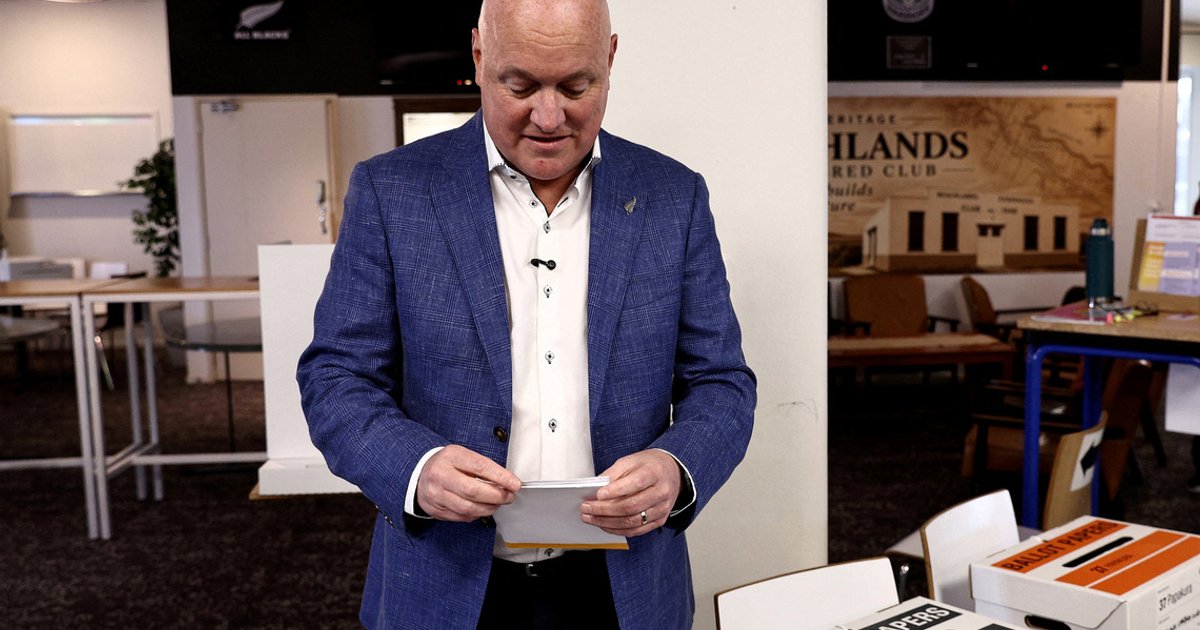
New Zealanders will cast their votes this week in a general election shaped by persistent economic headwinds and public discontent over the rising cost of living. Housing affordability, employment prospects and the condition of critical public services have emerged as central issues driving voter sentiment across the country.
The election comes at a time of considerable uncertainty both domestically and internationally, with New Zealand navigating its place in an increasingly complex geopolitical landscape. Voters are weighing how their political leaders will address economic challenges while managing the country's regional and global relationships.
Both major political parties have campaigned extensively on their respective approaches to tackle cost-of-living pressures that have strained household budgets. Employment levels and the quality of public services including healthcare and education remain priority concerns for many voters as they make their electoral decisions.
The November 7 election will determine which party or coalition of parties will govern New Zealand for the next three years, with the outcome expected to reflect voter priorities on these interconnected economic and social policy issues.