Business · India Bureau
Costa Rica identifies nearly 500 tree species to safeguard forest ecosystems
Scientists have completed a comprehensive mapping of Costa Rica's forest biodiversity by cataloguing nearly 500 dominant tree species across the nation's varied landscapes. The groundbreaking study combines satellite imagery and environmental data to create detailed forest classifications that could guide future conservation efforts.
LSN India ·
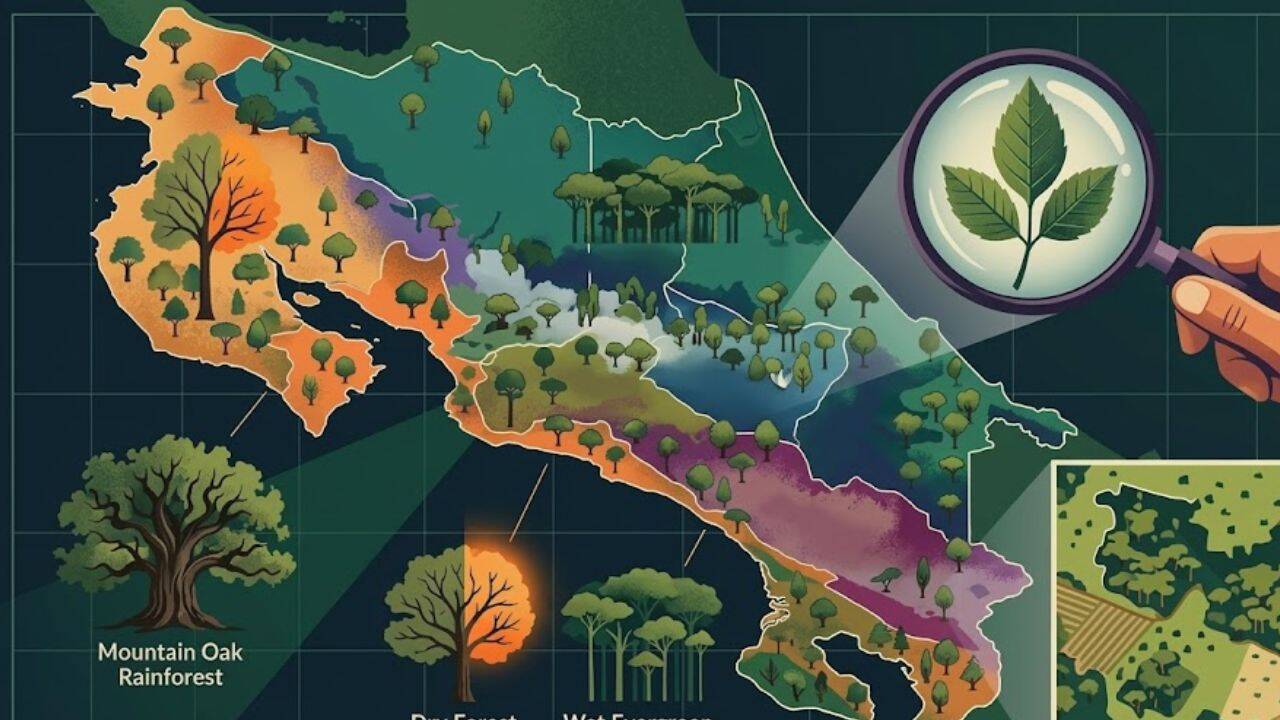
Researchers in Costa Rica have undertaken an ambitious effort to map the country's complex forest ecosystems by identifying and analysing nearly 500 dominant tree species across different regions. The initiative represents a significant step forward in understanding the composition and structure of tropical forests, which play a crucial role in maintaining global biodiversity and carbon cycles.
The study employed satellite observations combined with comprehensive environmental data collection to create a national forest map that distinguishes between various forest types, including secondary forests that have regenerated after human disturbance. This classification system provides a more nuanced understanding of how forests vary across Costa Rica's diverse topography and climate zones.
According to the research findings, identifying dominant tree species is essential for understanding how forests function ecologically. The species composition determines not only the forest's structural characteristics but also its capacity to support wildlife, sequester carbon, and provide ecosystem services that benefit human communities.
Scientists acknowledge that while the satellite-based mapping represents a significant advancement, improved field inventories remain necessary to refine future forest mapping efforts. Enhanced ground-truthing and on-site botanical surveys would help validate satellite data and capture finer details about forest composition and health that remote sensing alone cannot fully detect.