Politics · Sri Lanka Bureau
Could India's UDAN aviation scheme offer model for Sri Lanka?
Aviation industry experts are examining whether India's successful UDAN regional connectivity programme could be adapted to expand domestic air services across Sri Lanka. The scheme has transformed regional air travel in India and may provide lessons for developing affordable aviation routes on the island.
LSN Sri Lanka ·
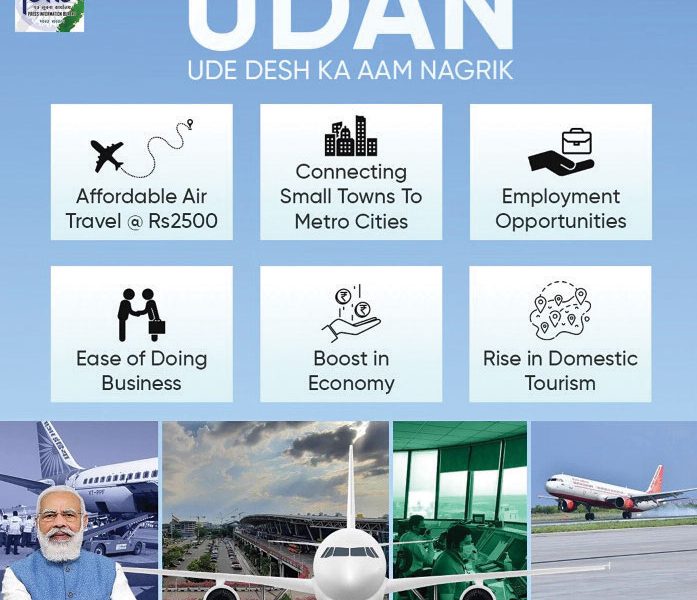
India's Regional Connectivity Scheme, known as UDAN (Ude Desh ka Aam Naagrik), has emerged as a potential blueprint for expanding domestic aviation networks in developing economies. The programme, launched in 2016, has successfully established air services to underserved regions by offering operational incentives to airlines, making regional routes economically viable while keeping fares affordable.
The UDAN model operates through a bidding system where airlines compete for route contracts with subsidies and support mechanisms, reducing barriers to entry and encouraging competition on smaller routes. This approach has enabled connectivity to remote areas that would otherwise lack viable air services, addressing both transportation gaps and economic development needs.
Aviation professionals with extensive experience in South Asian aviation have begun evaluating whether similar frameworks could be implemented in Sri Lanka to develop regional connectivity. The island's geography and existing infrastructure present unique opportunities for a domestically adapted scheme that could serve secondary airports and regional hubs more effectively.
Implementing such a model in Sri Lanka would require policy coordination with the Civil Aviation Authority and input from local carriers. Key considerations would include identifying underserved routes, determining appropriate subsidy levels, and establishing competitive mechanisms that encourage sustainable service provision while maintaining affordability for passengers across the country.