Business · Malaysia Bureau
Court Rules DNA Evidence Alone Insufficient for Citizenship of Stateless Child
Malaysia's High Court has dismissed a bid for citizenship by a stateless child with a Malaysian father, determining that DNA test results alone do not meet the legal threshold for granting nationality. The ruling underscores stringent evidentiary requirements for establishing paternity in citizenship applications.
LSN Malaysia ·
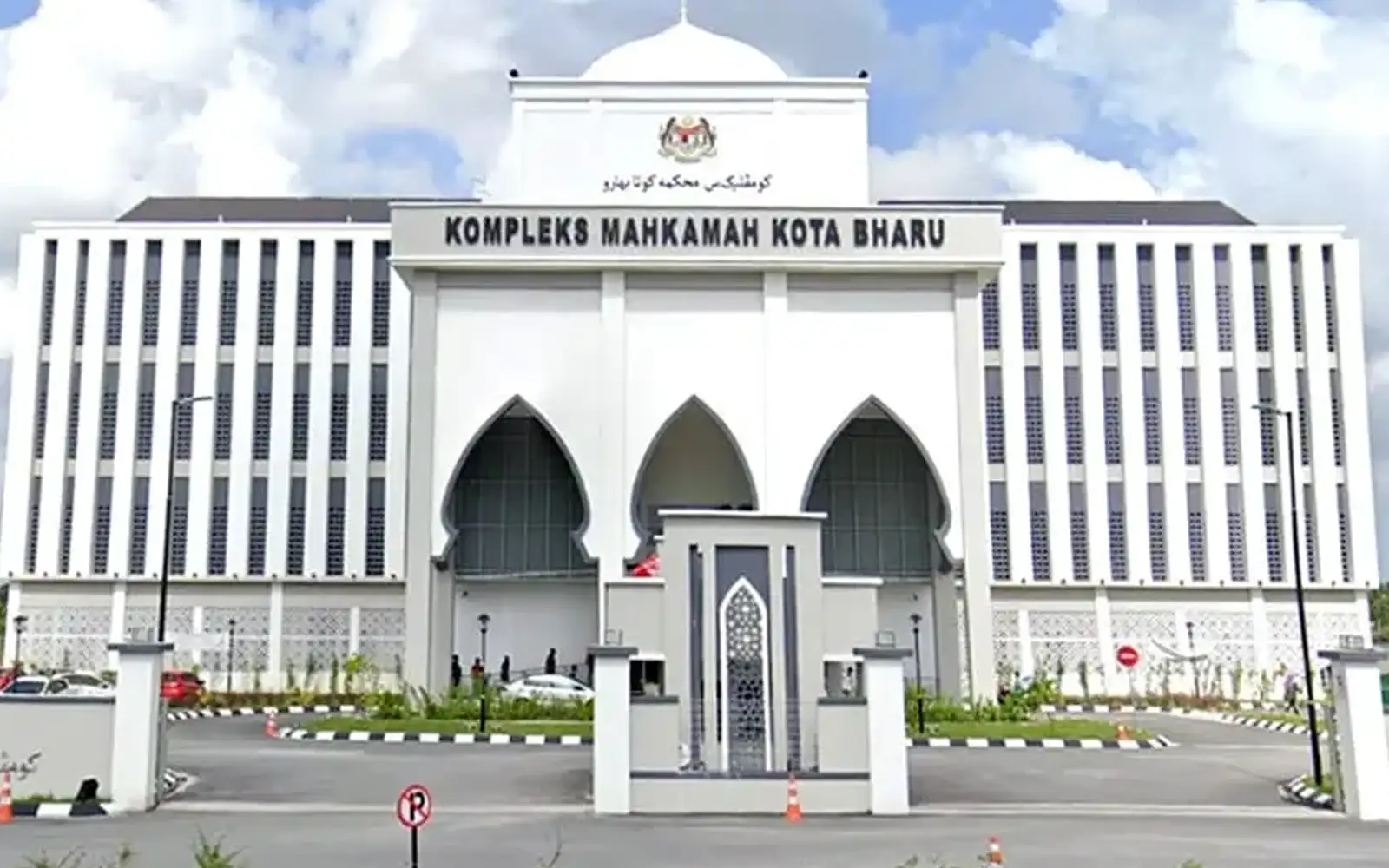
The High Court rejected the citizenship claim, finding that genetic testing evidence was inadequate as the sole basis for establishing the child's right to Malaysian nationality. The decision highlights the judicial interpretation of citizenship law requirements, which demand more comprehensive documentation beyond biological proof of parentage.
The case involved a child born to a Malaysian citizen father and a foreign national mother. While DNA testing confirmed the biological relationship, the court determined this single form of evidence did not satisfy the statutory and procedural obligations necessary to confer citizenship status under Malaysian law.
Citizenship determinations in Malaysia typically require multiple corroborating documents and evidence, including birth certificates, marriage documentation, and formal registration processes. The ruling reinforces that biological connection, though relevant, must be complemented by proper legal documentation and compliance with established citizenship procedures.
The decision carries implications for stateless individuals and families navigating Malaysia's citizenship framework. Legal experts note the ruling clarifies that applicants must pursue all available administrative channels and compile comprehensive documentation rather than relying on scientific evidence alone. The court's interpretation reflects broader principles governing how nations verify and establish citizenship claims among contested or undocumented cases.