Culture & Entertainment · India Bureau
Court Ruling Clarifies Religious Conversion Does Not Automatically Grant Reservation Benefits
A significant legal judgment from Tamil Nadu has invalidated a state order that would have automatically granted Backward Class Muslim certificates to people who converted to Islam from Scheduled Castes and Backward Classes. The ruling underscores that while religious conversion alone cannot transfer individuals into different notified communities for reservation purposes, it leaves open the question of how to address ongoing social disadvantages.
LSN India ·
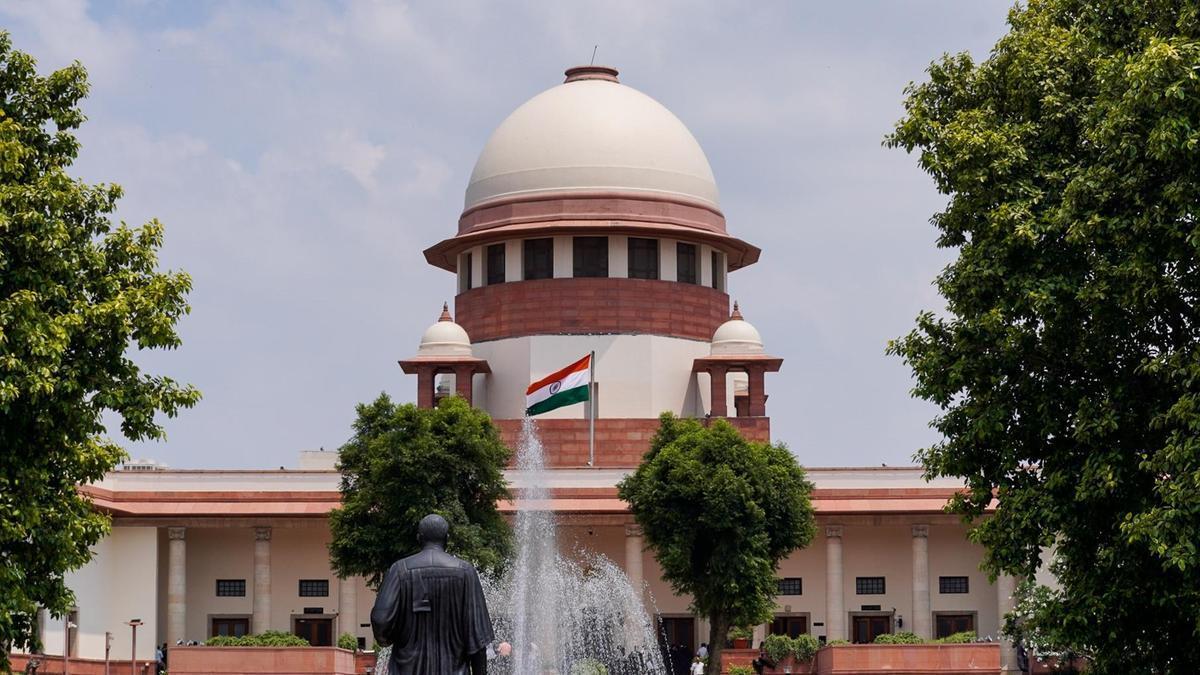
A court decision striking down Tamil Nadu's policy on religious conversion and reservation benefits has brought into sharp focus the complex intersection of religious identity and affirmative action protections in India. The invalidated order had sought to enable persons converting to Islam from Scheduled Castes (SCs) and Backward Classes (BCs) to obtain Backward Class Muslim certificates, effectively preserving their reservation entitlements after conversion.
The judgment clarifies that religious conversion cannot serve as an automatic mechanism for transferring an individual from one notified community to another for the purposes of accessing reservation benefits. This reflects the legal principle that reservation categories are constitutionally defined and cannot be altered simply through a change in religious affiliation.
However, the ruling does not entirely dismiss the underlying concerns about social disadvantage. Legal experts note that the decision implicitly acknowledges that individuals who convert away from their original SC or BC status may continue to face systematic discrimination and economic hardship. This raises questions about how such disadvantage should be assessed and addressed through policy.
The case highlights the tension between India's constitutional reservation framework, which is structured around specific notified communities, and the practical reality that social disadvantage may persist regardless of religious identity. Observers suggest the decision may prompt state governments to develop evidence-based inquiries into the genuine social and economic circumstances of converts, rather than relying on automatic community-based classifications.
The Tamil Nadu judgment is likely to influence similar cases across India and may spark broader policy discussions about how reservation systems should accommodate religious conversion while maintaining the integrity of constitutionally mandated community definitions.