Politics · India Bureau
Court ruling redefines footpath purpose beyond accident prevention
A significant judicial judgment has clarified that footpaths serve broader urban functions than merely reducing motor vehicle accidents. The ruling establishes that pedestrian pathways have inherent value and independent objectives within city planning.
LSN India ·
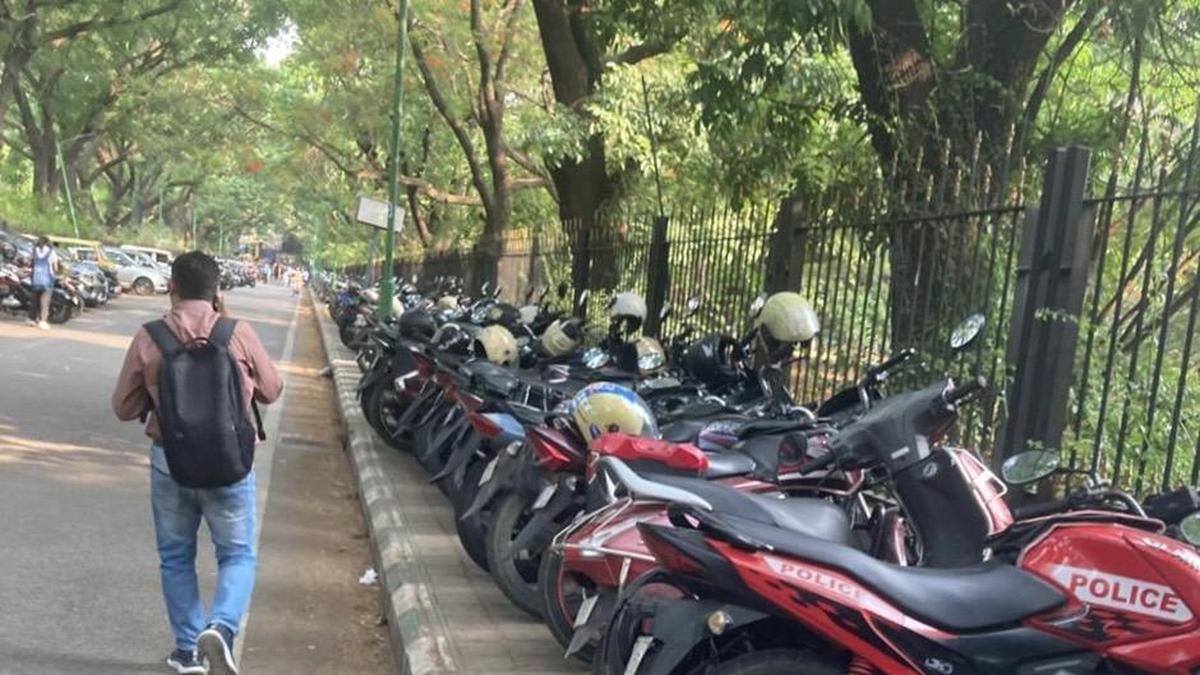
Justice Narasimha's recent judgment has fundamentally separated the concept of footpaths from their conventional association with accident mitigation. The ruling emphasizes that while safety considerations matter, the primary purpose of footpaths extends far beyond accident prevention measures.
The judgment recognizes footpaths as distinct infrastructure elements with their own identity and function within urban ecosystems. Rather than being evaluated solely through the lens of traffic safety, these pathways are acknowledged as essential components of city planning that serve multiple purposes and communities.
This legal clarification carries implications for how Indian cities approach pedestrian infrastructure development and maintenance. The ruling suggests that footpath planning and policy should not be constrained by accident-reduction frameworks alone, but should consider the broader role these spaces play in urban mobility and public accessibility.
The judgment reflects growing judicial recognition of pedestrian rights and the importance of dedicated walking spaces in metropolitan areas. By divorcing footpaths from the accident prevention narrative, the court has provided clearer legal grounds for prioritizing pedestrian infrastructure as an independent policy concern worthy of comprehensive urban planning attention.