World · Thailand Bureau
CP Group Denies Exclusive Rights Claims Over New Holy Basil Strains
Thailand's CP Group has clarified its position regarding newly developed holy basil varieties, refuting assertions that it holds nationwide exclusive rights to the plants. The agribusiness conglomerate emphasized the limited scope of its breeding developments.
LSN Thailand ·
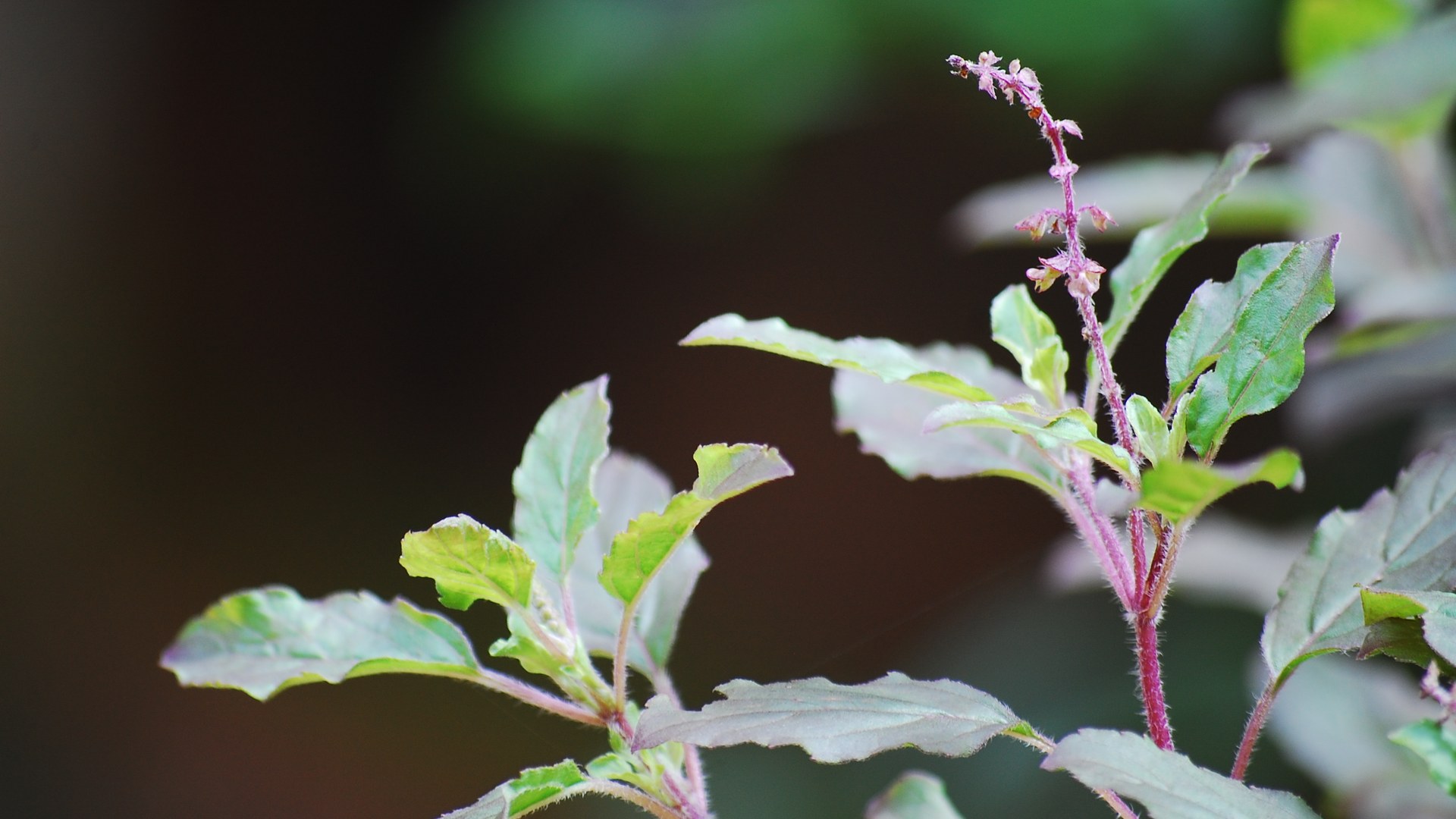
CP Group has issued a statement addressing misconceptions about its authority over holy basil varieties, clarifying that it does not claim exclusive nationwide rights to newly developed strains of the aromatic herb widely used in Thai cuisine and traditional medicine.
The clarification comes amid broader discussions about agricultural intellectual property and the commercialization of traditional Thai crops. CP Group's statement indicates that while the company has invested in developing new varieties through selective breeding and horticultural research, these efforts do not extend to claiming monopolistic control over holy basil production across Thailand.
Holy basil, known locally as "krapao," holds significant cultural and commercial importance in Thailand, appearing in numerous traditional dishes and herbal preparations. The herb's widespread cultivation by farmers throughout the country means that exclusive rights claims would face practical and legal challenges.
The company's position suggests a more measured approach to intellectual property in the agricultural sector, where Thai farmers have maintained cultivation practices spanning generations. This stance reflects broader industry considerations regarding traditional crop varieties and their availability to local producers.
Photo: A holy basil (Ocimum tenuiflorum) plant in flower. Challiyan via Wikimedia Commons (CC BY-SA 2.5).