Politics · India Bureau
CPCB defends exclusion of extreme pollution readings from AQI
India's Central Pollution Control Board has explained its methodology for calculating Air Quality Index, clarifying that readings exceeding monitoring equipment limits of 1,000 µg/m³ are not included in official figures. The regulator says it is reviewing its data processing approach.
LSN India ·
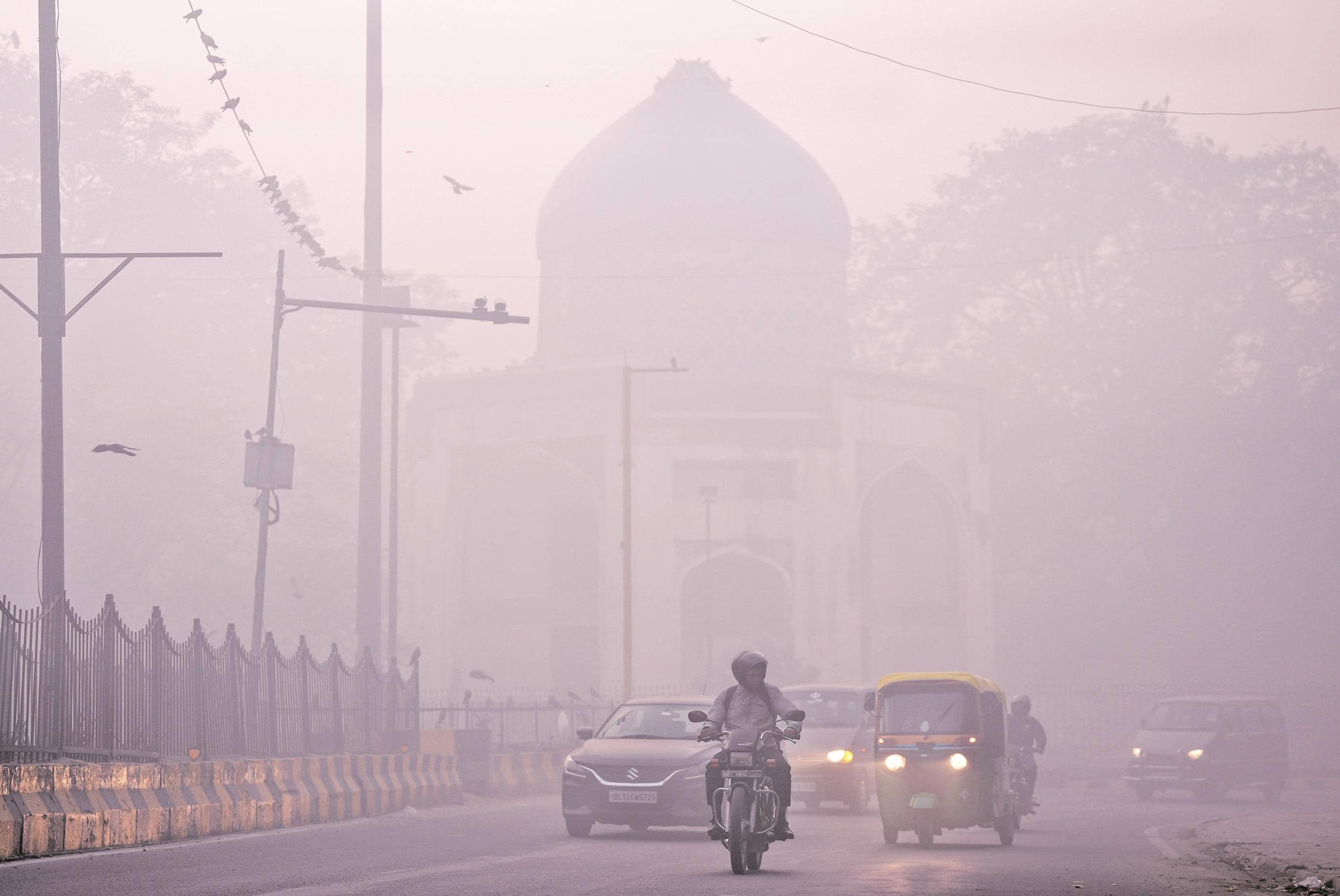
The Central Pollution Control Board (CPCB) has justified its practice of excluding extreme pollution measurements from official Air Quality Index calculations, citing technical constraints of monitoring instruments. According to the regulator, readings that exceed the calibrated limit of 1,000 micrograms per cubic metre are filtered out from AQI computations.
The CPCB stated that monitoring devices used across India's air quality network have an upper measurement threshold of 1,000 µg/m³. When pollution levels surge beyond this calibrated ceiling, particularly during severe pollution episodes, those readings fall outside the equipment's operational range and are consequently not factored into the index.
The board acknowledged that it is currently undertaking a comprehensive review of its data processing methodology. This examination aims to assess whether current procedures adequately represent air quality conditions across the country, particularly during periods of extreme pollution when conventional monitoring may prove insufficient.
The clarification comes amid ongoing scrutiny of India's air quality monitoring practices. Environmental analysts and researchers have previously raised questions about how extreme pollution events are recorded and reflected in official metrics, especially in metropolitan areas experiencing severe smog and hazardous air conditions.
The CPCB's review is expected to examine whether alternative measurement approaches or enhanced monitoring protocols could better capture pollution data during critical episodes when public health risks are at their highest.