Politics · World News Bureau
Critical vulnerability forces global website shutdowns across internet infrastructure
A widespread security flaw affecting approximately 70 percent of internet infrastructure has prompted emergency website shutdowns worldwide. The vulnerability, identified through advanced analysis systems, poses significant risks to online services and data security.
LSN World News ·
A critical security vulnerability discovered in widely-used internet infrastructure has triggered a wave of preventative shutdowns across global websites and services. The flaw, which affects an estimated 70 percent of internet systems, has prompted immediate action from technology companies and service providers to prevent potential breaches and data compromises.
The vulnerability was identified through advanced computational analysis that scanned major internet systems for security weaknesses. Industry experts describe the flaw as particularly concerning due to its widespread prevalence across core internet technologies and platforms, affecting both major technology firms and smaller service providers.
Website operators and internet service providers have implemented emergency measures, taking affected systems offline to prevent exploitation. Security teams worldwide are working to implement patches and protective measures across their networks and services. The coordinated response reflects the scale of concern among technology professionals regarding the potential impact of the vulnerability if left unaddressed.
Industry officials have urged internet users and service providers to remain vigilant and ensure systems are updated once patches become available. Security researchers continue investigating the full scope of the vulnerability and its potential impact on data integrity and user privacy. The incident underscores ongoing challenges in maintaining security across the complex, interconnected global internet infrastructure.
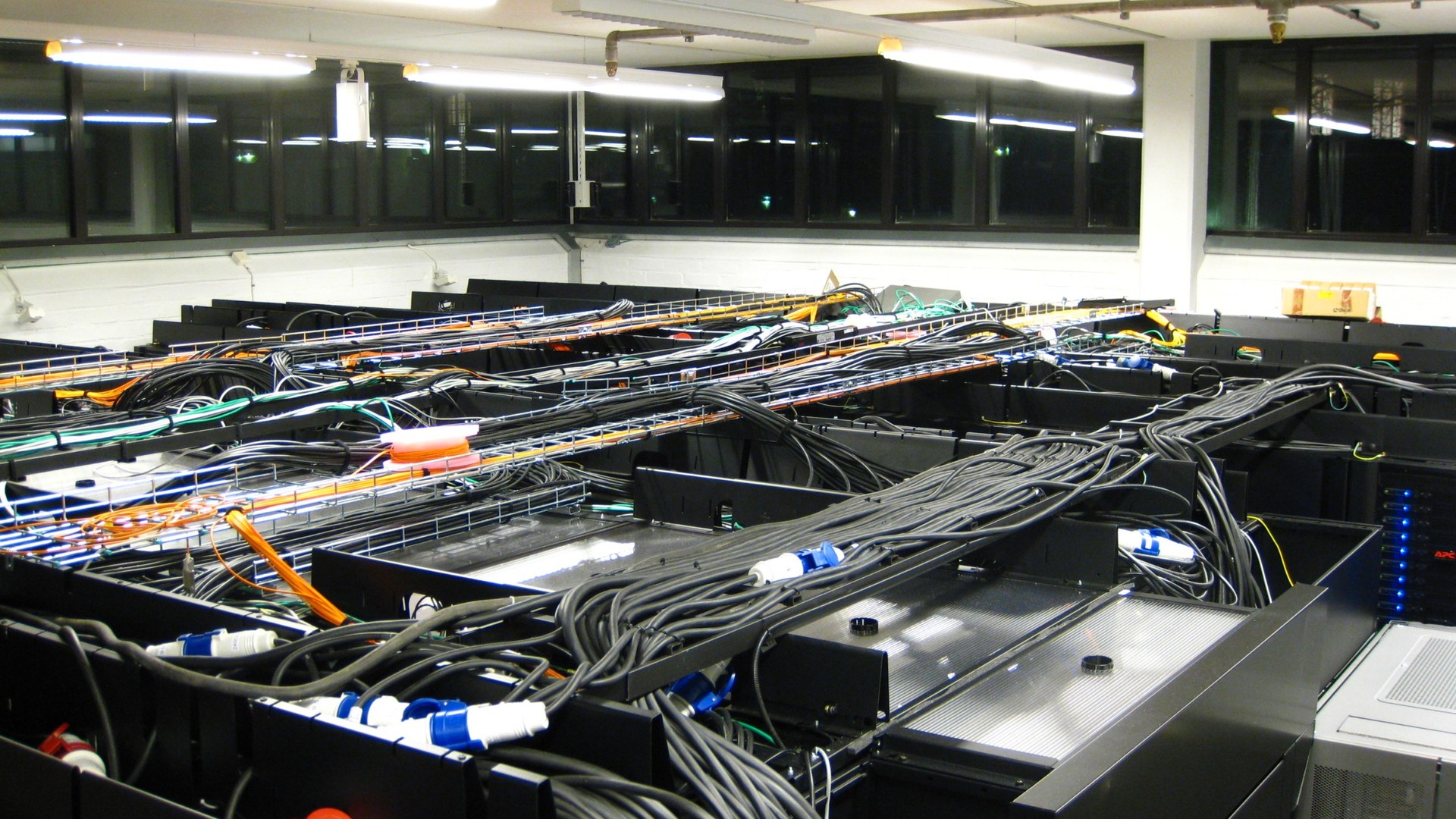
Photo: Server racks and cabling at the PDC computer centre of KTH Royal Institute of Technology, Stockholm, December 2010. Esquilo via Wikimedia Commons (CC BY-SA 3.0).