World · Singapore Bureau
Cross-border businesses face mounting complexity from AI, sanctions
As companies expand operations across multiple jurisdictions, they must navigate an increasingly intricate landscape of artificial intelligence regulation, economic sanctions and geopolitical tensions. Commercial disputes are becoming harder to resolve as a result.
LSN Singapore ·
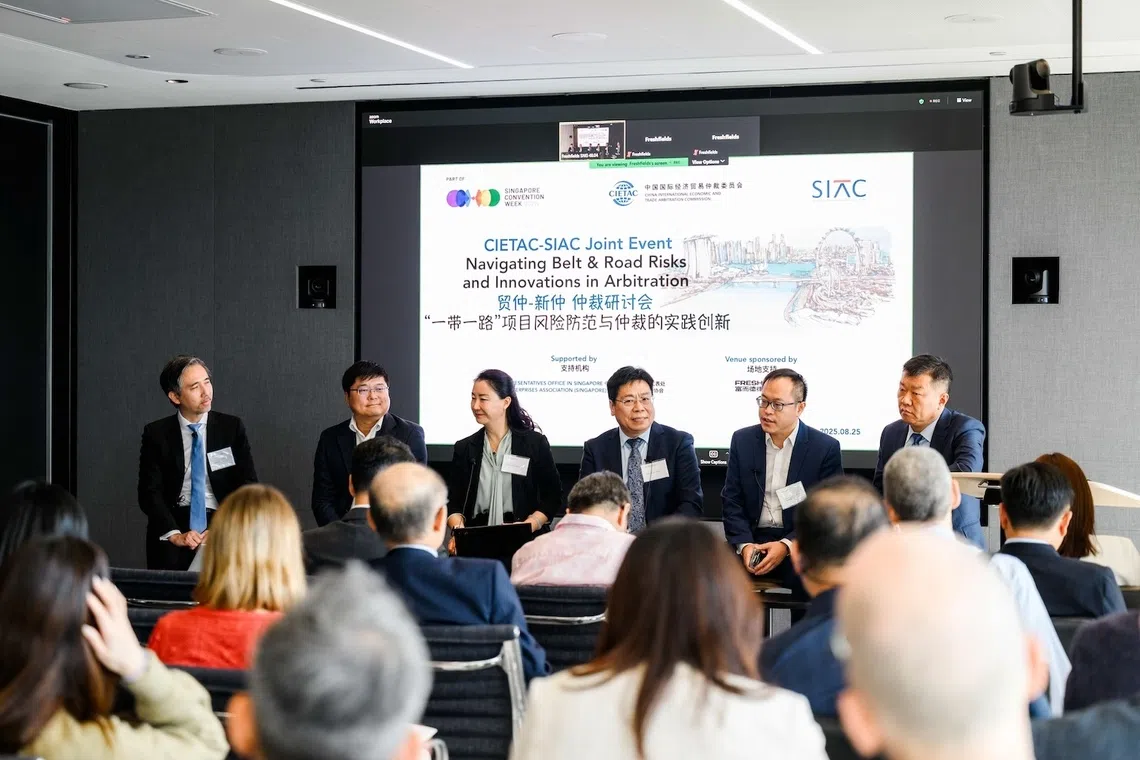
Companies operating across borders are confronting a growing web of regulatory and geopolitical challenges that complicate their commercial dealings and dispute resolution mechanisms. The convergence of artificial intelligence governance, international sanctions regimes and shifting political alignments has created new friction points for multinational enterprises seeking to maintain operations in diverse markets.
The proliferation of AI-specific regulations across different regions means businesses must comply with varying standards for data protection, algorithmic transparency and liability frameworks. Simultaneously, evolving sanctions regimes targeting certain countries and sectors have forced companies to reassess supply chains and business partnerships, creating uncertainty in contract execution and enforcement.
Geopolitical tensions have further fragmented the operating environment, with some nations implementing restrictions on technology transfers or foreign investment in strategic sectors. These barriers make it increasingly difficult for companies to operate seamlessly across regions that were previously seen as integrated commercial spaces.
When commercial disputes do arise in this context, resolution becomes more complicated. Parties may struggle to agree on jurisdiction, applicable law, or the enforceability of arbitration awards across borders affected by sanctions or political tensions. Legal teams must now factor in regulatory compliance alongside traditional contract interpretation and dispute management.
Business leaders are responding by conducting more rigorous due diligence, segmenting operations by region, and establishing clearer contractual frameworks that account for regulatory divergence. However, these measures alone cannot fully insulate companies from the structural complexities created by the intersection of technological change and geopolitical fragmentation.