World · India Bureau
CRPF records zero operational deaths in landmark year
India's Central Reserve Police Force has completed its first fatality-free operational year in nearly five decades, marking a significant milestone as militant violence declines across traditional hotspots. The achievement underscores shifting security challenges, with focus now turning to civil unrest in the northeast.
LSN India ·
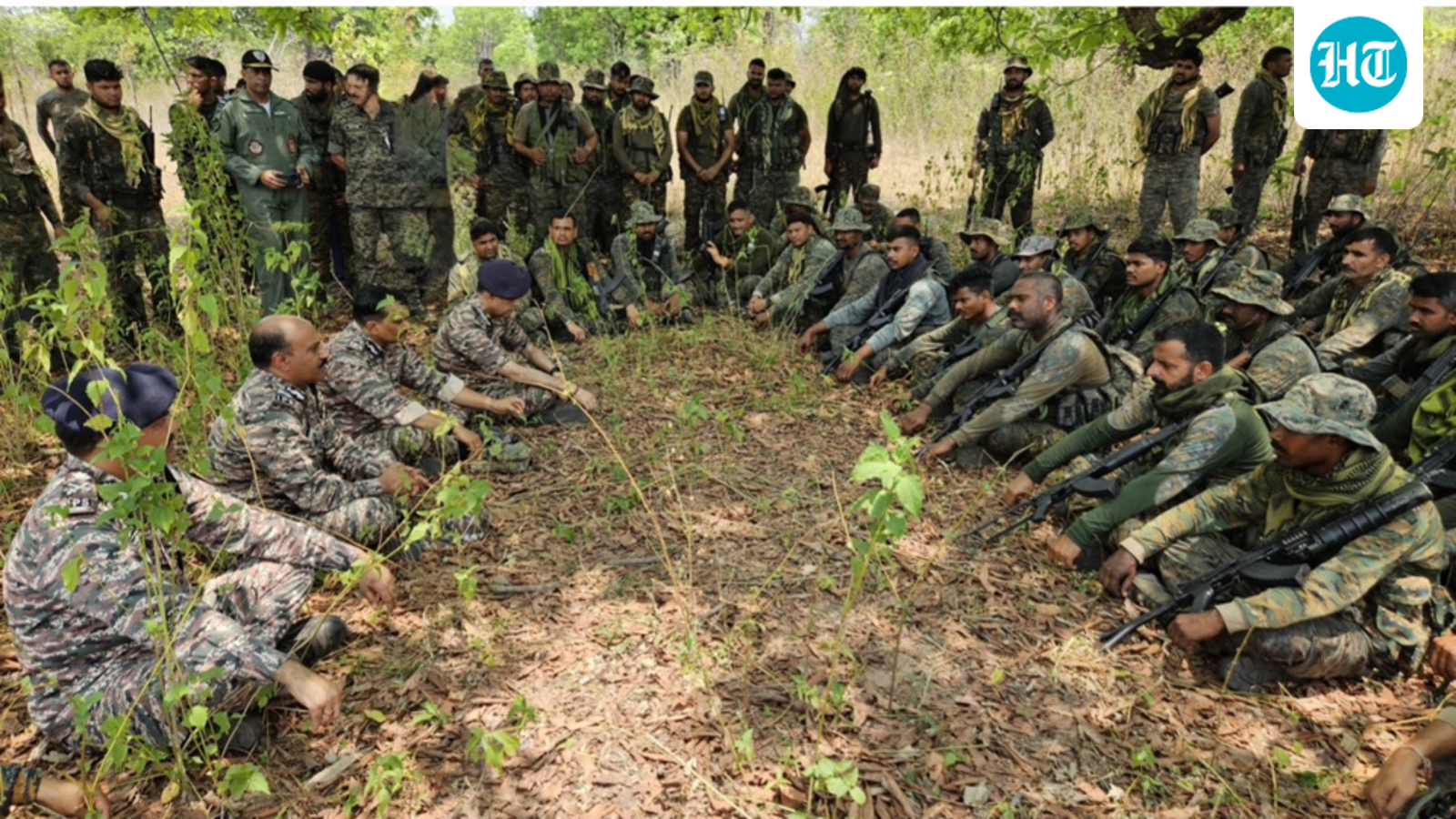
The Central Reserve Police Force (CRPF) has achieved a historic milestone by recording zero operational fatalities over a 12-month period—the first such occurrence in 47 years of the paramilitary force's history. The landmark represents a tangible shift in India's internal security landscape, particularly reflecting a marked decline in Maoist insurgent activities that have historically claimed the highest toll on personnel deployed across forested regions of central and eastern India.
The reduction in left-wing extremist violence has been attributed to sustained counter-insurgency operations, improved intelligence gathering, and enhanced coordination between security agencies in traditional conflict zones. Over the preceding decades, the CRPF had regularly suffered casualties in encounters with Maoist cadres, making the current year's record a significant development in the force's operational history.
However, the security picture remains complex across India's vast geography. Even as violence abates in conventional hotspots, fresh challenges have emerged in other regions. Manipur, the northeastern state, has emerged as a critical flashpoint, with communal tensions and civil unrest demanding heightened CRPF deployment and operational readiness. The force has increasingly focused resources on managing civil disturbances and maintaining law and order in volatile urban and rural areas.
The milestone comes as the CRPF, with over 330,000 personnel, continues to adapt its operational doctrine to address evolving security threats. Senior officials view the achievement as validation of improved training protocols, tactical adjustments, and personnel welfare measures implemented in recent years, though they acknowledge that future vigilance remains essential given the persistent nature of internal security challenges across multiple fronts.