Business · Malaysia Bureau
Currency appreciation alone won't resolve China's global trade imbalances
Economists warn that allowing the renminbi to strengthen without tackling fundamental economic weaknesses could prove counterproductive to addressing China's persistent trade surpluses and global economic imbalances.
LSN Malaysia ·
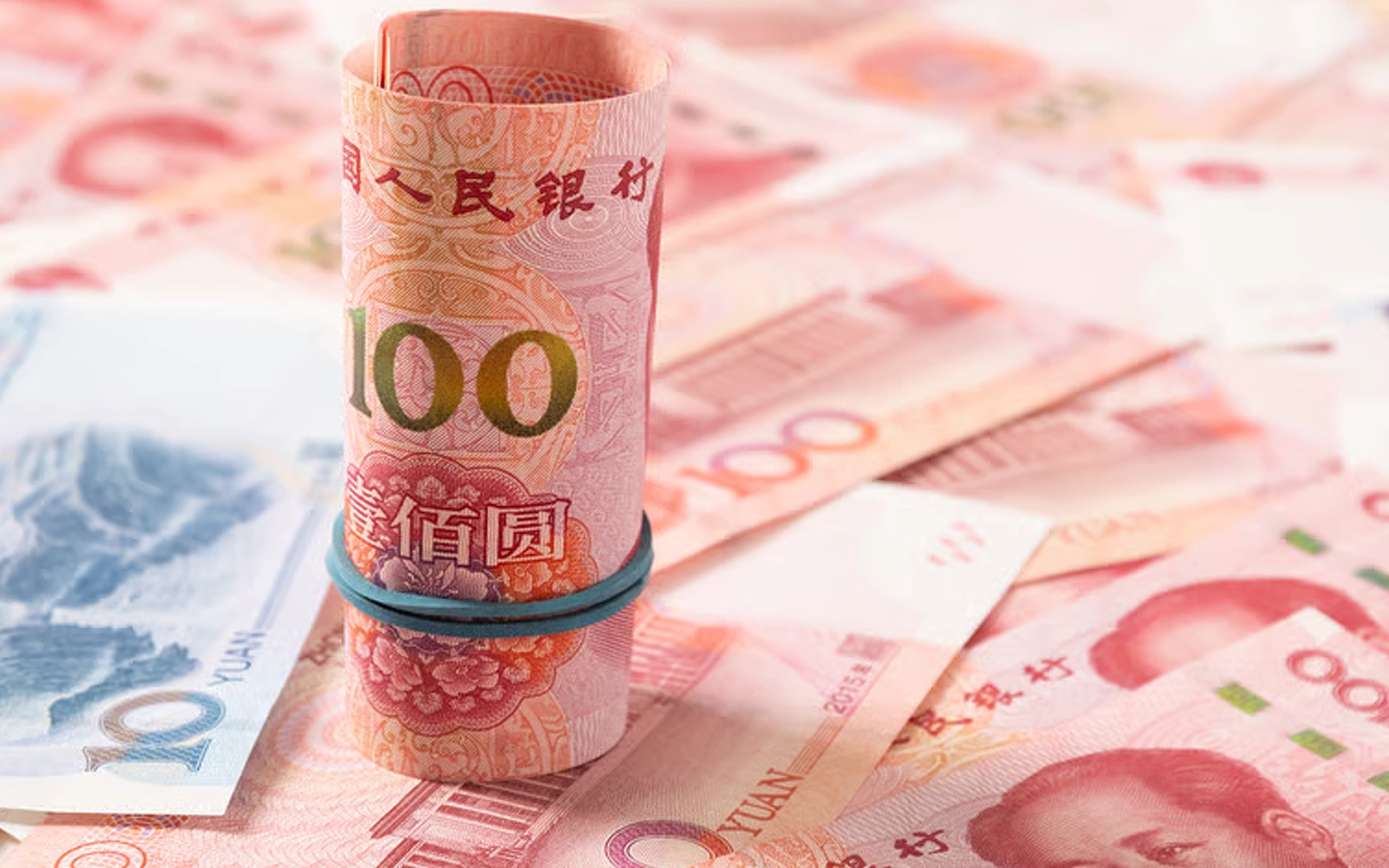
A stronger Chinese currency is frequently cited as a solution to global trade imbalances, particularly regarding China's substantial export surpluses. However, analysts caution that currency appreciation alone addresses only the symptom rather than the underlying structural issues driving these imbalances.
Allowing the renminbi to appreciate without simultaneously addressing fundamental economic weaknesses would likely generate unintended consequences for both China and its trading partners. A currency revaluation might marginally reduce export competitiveness, but it does not resolve the core factors contributing to China's trade dynamics, including savings patterns, domestic consumption levels, and investment allocation.
Economists emphasize that comprehensive economic reforms are required to achieve sustainable rebalancing. These measures should focus on strengthening domestic demand, improving consumption relative to savings, and addressing structural inefficiencies in the economy. Without such foundational changes, currency appreciation risks creating economic distortions without meaningfully reducing trade imbalances.
The issue remains particularly relevant for Asian economies, including Malaysia, which maintain substantial trade relationships with China. Policymakers across the region are monitoring developments in Chinese monetary policy and structural economic reforms, recognizing that genuine rebalancing would have broader implications for regional trade patterns and economic stability.
International observers continue to emphasize that resolving global imbalances requires coordinated policy approaches addressing multiple factors simultaneously, rather than relying on currency adjustments as a standalone remedy.