World · Sri Lanka Bureau
Cutting thermal power reliance could ease Sri Lanka's electricity cost burden
Sri Lanka's electricity regulator has suggested that reducing dependence on thermal power generation could help stabilise consumer tariffs amid ongoing affordability pressures. The Public Utilities Commission of Sri Lanka (PUCSL) chairman outlined the potential for cost control through a shift away from thermal sources.
LSN Sri Lanka ·
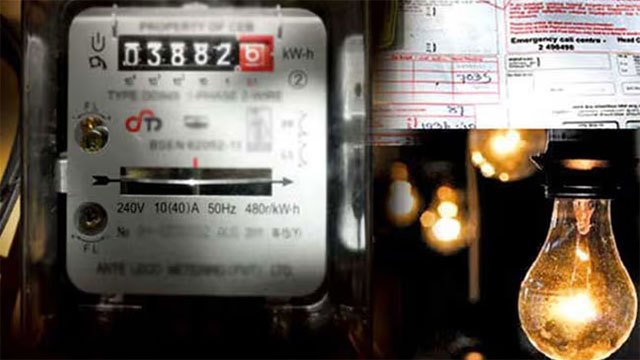
The Public Utilities Commission of Sri Lanka (PUCSL) has identified a reduction in thermal power generation as a potential pathway to stabilising electricity tariffs for consumers across the island. According to the regulator's chairman, the current heavy reliance on thermal energy—which typically carries higher operational and fuel costs—contributes to tariff volatility and pressure on household and business electricity bills.
Thermal power stations, which generate electricity by burning fossil fuels, have historically formed a significant portion of Sri Lanka's energy mix. However, volatile international fuel prices and currency fluctuations have made thermal-dependent systems costly to operate and maintain, resulting in frequent tariff adjustments that affect consumers nationwide.
The PUCSL chairman's remarks reflect growing recognition within the regulatory sector that Sri Lanka must diversify its energy sources to achieve more predictable and sustainable pricing. Renewable energy alternatives, including hydroelectric, solar, and wind power, offer lower operational costs and less exposure to international commodity price shocks.
The proposal aligns with Sri Lanka's broader energy policy objectives to reduce import dependency and enhance energy security. However, transitioning away from thermal generation requires substantial infrastructure investment and careful planning to ensure adequate baseload power supply during the transition period.
The regulator's position underscores mounting pressure to balance immediate consumer affordability concerns with long-term energy security and sustainability goals in a context of fiscal constraints and elevated external borrowing costs.