Technology · Malaysia Bureau
Cyber threats to cold storage pose risks, but food security intact
Security experts warn of vulnerabilities in Malaysia's refrigerated storage infrastructure, though analysts say systemic safeguards make widespread food shortages unlikely. The concerns highlight growing cyber risks to critical supply chain assets.
LSN Malaysia ·
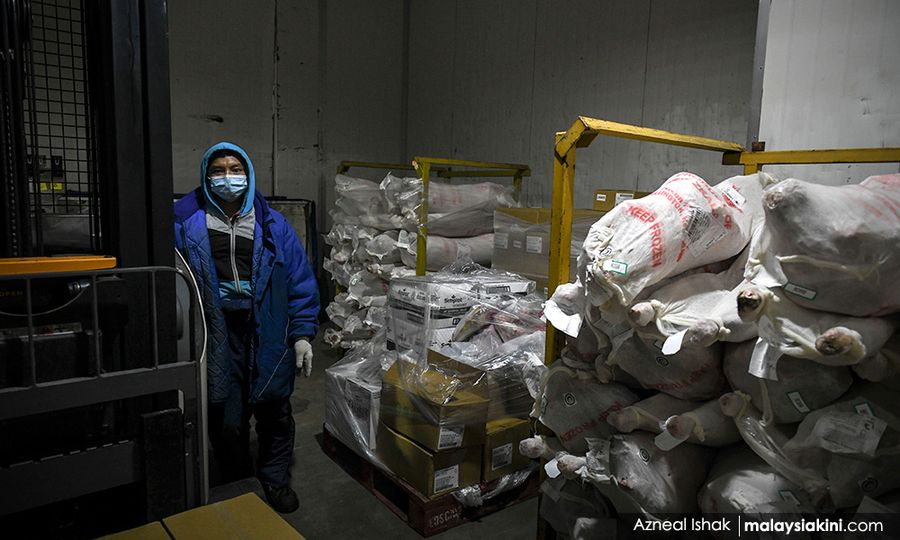
Malaysia's cold storage facilities face potential cybersecurity threats that could disrupt food distribution networks, according to security specialists monitoring infrastructure vulnerabilities across the region. The systems that maintain perishable goods—from imported seafood to frozen produce—represent an increasingly attractive target for malicious actors seeking to cause economic disruption.
However, food security experts and industry analysts assess that a successful large-scale cyberattack on cold storage operations would face significant obstacles before triggering nationwide shortages. Malaysia's food supply relies on multiple distribution channels and storage facilities dispersed across the country, providing redundancy that would limit the impact of isolated breaches.
"While vulnerabilities certainly exist in digital systems controlling refrigeration and inventory management, the decentralized nature of Malaysia's food infrastructure provides natural resilience," industry observers noted. Facilities operated by different entities and managed through varied systems would require coordinated attacks to cause supply-wide disruptions.
The warnings underscore broader concerns about cybersecurity in Southeast Asia's critical infrastructure, prompting stakeholders to review security protocols. Government agencies and private operators have begun assessing digital defences at major logistics hubs and storage facilities to strengthen protections against emerging threats.