World · Bangladesh Bureau
Cyclical wage disputes threaten stability in Bangladesh garment sector
Labour unrest periodically resurfaces in Bangladesh's garment industry despite previous wage agreements, pointing to structural issues in factory management and worker compensation frameworks.
LSN Bangladesh ·
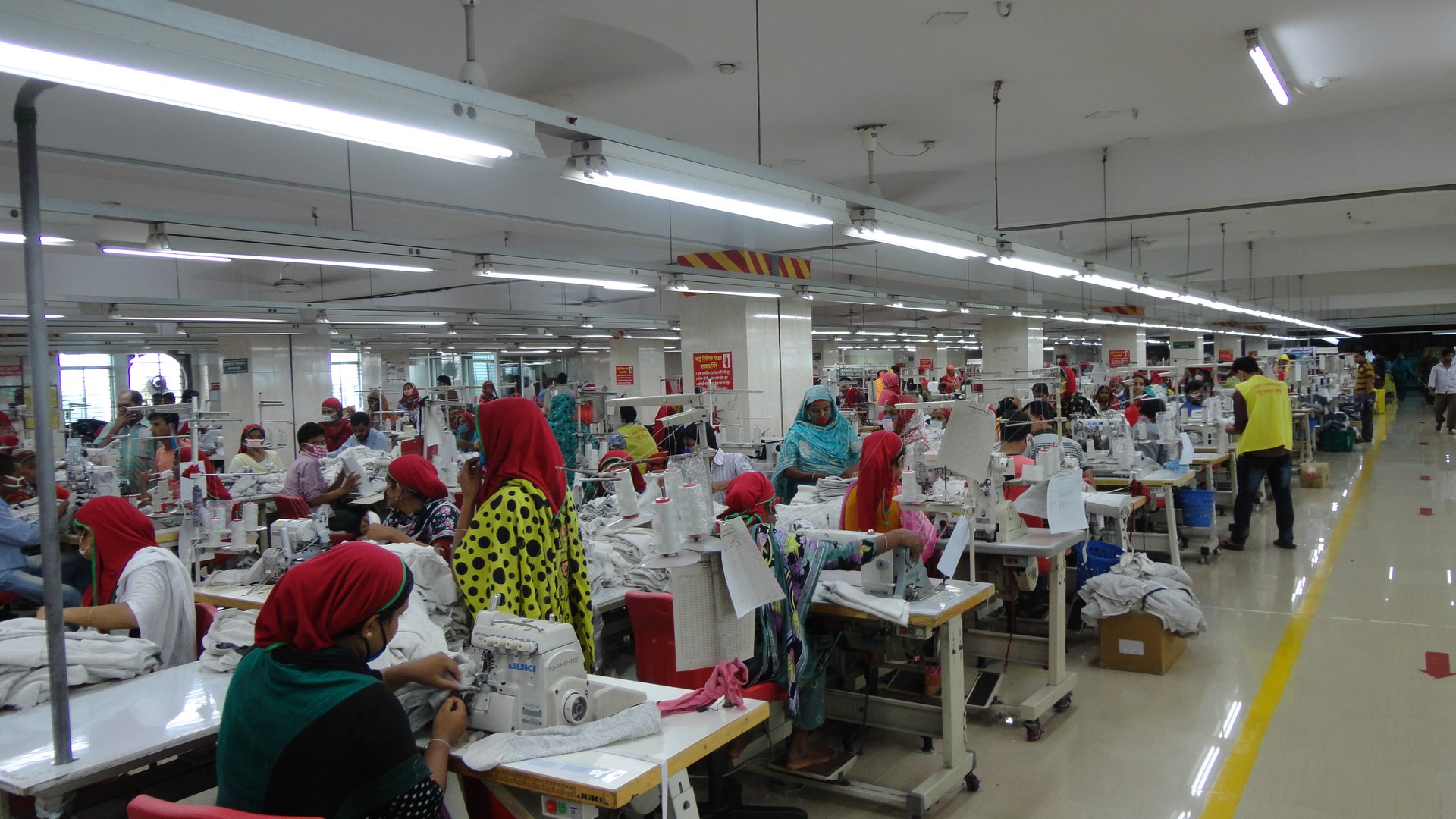
Bangladesh's garment manufacturing sector, a cornerstone of the national economy, continues to experience recurring cycles of wage-related labour disputes that disrupt production and test industrial relations. The pattern of strikes and protests suggests underlying tensions persist between workers seeking improved compensation and factory owners navigating cost pressures in a competitive global market.
The repetition of wage conflicts indicates that previous settlements have failed to address root causes of worker dissatisfaction. Factors contributing to the cycle include wage stagnation relative to living costs, inconsistent implementation of agreed-upon pay scales across factories, and limited mechanisms for workers to voice grievances effectively before disputes escalate.
Factory management faces pressure from international buyers demanding competitive pricing, often constraining their ability to increase wages substantially. Meanwhile, workers struggle with inflation that erodes purchasing power faster than wage increments negotiated through formal channels. This structural mismatch between wage growth and cost of living creates conditions for periodic unrest.
Resolving the cycle requires sustained dialogue between all stakeholders—workers, factory owners, industry associations, and government agencies. Strengthening enforcement of existing wage agreements, establishing transparent wage-setting mechanisms, and improving workplace grievance procedures could help reduce the frequency and intensity of future disputes. Without such measures, Bangladesh risks continued labour instability that threatens both workers' livelihoods and the industry's international reputation.
Photo: Workers on the floor of a ready-made garment factory in Bangladesh, July 2013. Fahad Faisal via Wikimedia Commons (CC BY-SA 4.0).