World · Myanmar Bureau
Cyclone Akvan forms in Bay of Bengal; Myanmar issues yellow-stage warning
The Department of Meteorology and Hydrology said the storm is not heading towards Myanmar’s coasts at present, but warned of rain, squalls and rough seas through 20 November.
LSN Myanmar ·
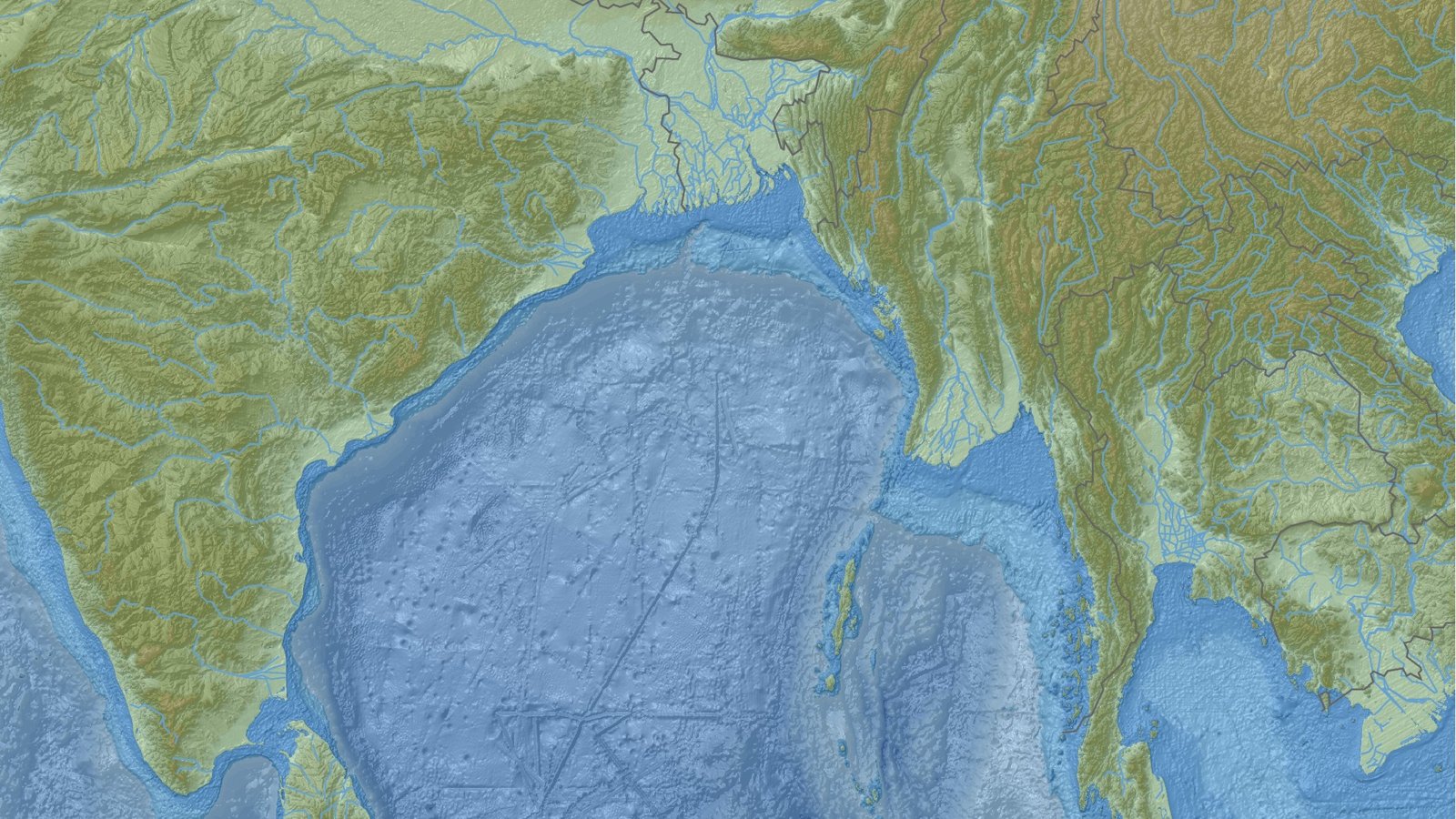
<p>Myanmar’s Department of Meteorology and Hydrology (DMH) said on Tuesday morning that a deep depression over the Bay of Bengal had intensified into Cyclonic Storm Akvan, but coded the system as a yellow-stage warning because it was not, at this stage, moving towards Myanmar’s coasts.</p>
<p>In Cyclonic Storm News No. 4, issued at 7.00am Myanmar time on 17 November, the department said observations at 5.30am placed the storm near latitude 12.2 degrees north and longitude 85.7 degrees east — about 465 nautical miles west-southwest of Coco Island, 355 nautical miles south-southeast of Visakhapatnam and 325 nautical miles east of Chennai. It gave a central pressure of 1,000 hectopascals and maximum winds near the centre of 40 to 45 miles per hour.</p>
<p>The same location was reported by the India Meteorological Department and by Sri Lanka’s Department of Meteorology, which also said the system had become a cyclonic storm named Akvan, a name proposed by Iran.</p>
<p>DMH said Akvan was likely to keep moving north-northwest, intensify into a severe cyclonic storm over the west-central Bay of Bengal within about 18 hours, become a very severe cyclonic storm on 19 November, and cross the Andhra Pradesh and Yanam coasts of India between Nellore and Tuni on 20 November.</p>
<p>Even though the storm is not forecast to head for Myanmar, the department warned that its influence could bring fairly widespread rain or thundershowers in Kayah, Kayin, Mon and Shan states, and isolated to scattered showers in Naypyitaw and in the Yangon, Bago, Ayeyarwady and Taninthayi regions as well as Chin and Rakhine states, from Tuesday morning through 20 November.</p>
<p>Squalls and rough seas are likely at times off and along Myanmar’s coasts, with surface winds in squalls of up to 30 miles per hour and wave heights of about 8 to 10 feet, it said. The department advised people to prepare for heavy rain, strong winds, lightning, flash floods and landslides, particularly in hilly areas and near smaller rivers, and cautioned operators of domestic flights and vessels along the coast and offshore.</p>