Cyclone Akvan pushes air quality to 'unhealthy' levels across Sri Lanka, CEA warns
The Central Environmental Authority says shifting winds from Cyclonic Storm Akvan in the Bay of Bengal have carried PM2.5 and fine dust into Sri Lanka, with Jaffna recording the island's highest AQI reading.
LSN Sri Lanka ·
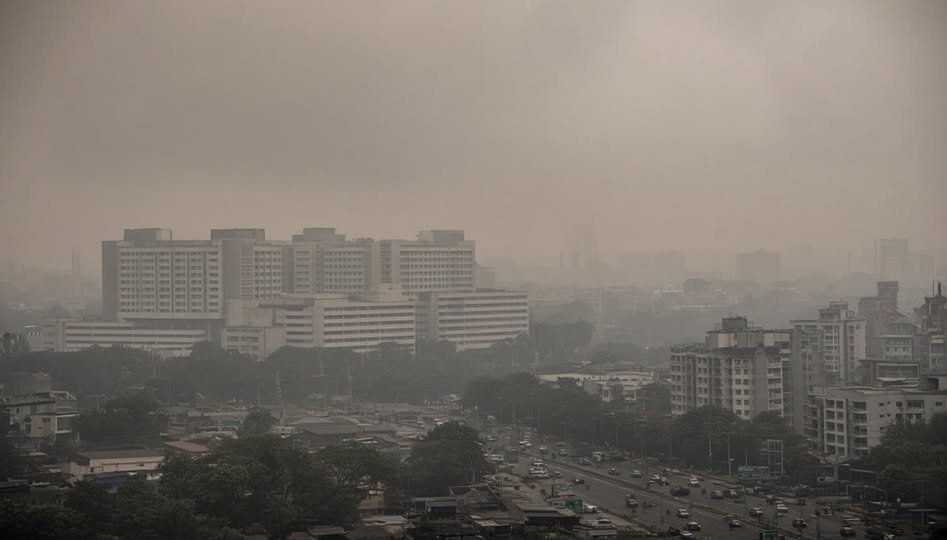
<p>Sri Lanka's Central Environmental Authority (CEA) has issued a special warning after changes in wind patterns caused by Cyclonic Storm Akvan in the Bay of Bengal carried air pollutants across international borders into the country, particularly PM2.5 and fine dust particles.</p>
<p>According to Air Quality Index (AQI) data released by the CEA at around 7.30am today (November 18), air quality in many parts of the island has risen to the "Unhealthy" range (151-200).</p>
<p>The AQI readings reported were:</p>
<p>Jaffna: 186 (the highest on the island)<br>
Kilinochchi: 170<br>
Battaramulla (Colombo area): 166<br>
Anuradhapura: 165<br>
Chilaw (Puttalam district): 164<br>
Trincomalee: 156<br>
Akkaraipattu: 154</p>
<p>Because these values fall in the "Unhealthy" category, the authority says even the general public may experience health effects. Young children, the elderly and people with asthma or other respiratory illnesses are most at risk. The Jaffna, Kilinochchi, Mullaitivu, Mannar, Anuradhapura, Kurunegala, Puttalam, Colombo and Trincomalee districts have been identified as the areas most heavily affected.</p>
<p>How Akvan is affecting the air</p>
<p>The Department of Meteorology and the CEA explain that the turbulent atmospheric conditions created by Cyclone Akvan in the Bay of Bengal have increased cross-border air circulation. As a result, pollutants, dust and fine particulate matter arriving from the direction of India have entered Sri Lanka's atmosphere.</p>
<p>Although the fine particles give the air a mist-like appearance, officials stress that this is not ordinary mist. The haze is most visible at night and in the early morning.</p>
<p>Akvan is expected to strengthen further into a "Very Severe Cyclonic Storm" and make landfall on India's Andhra Pradesh coast around November 20. While the cyclone will not strike Sri Lanka directly, the shifts in wind patterns it is causing have affected air quality in the country.</p>
<p>Health advice</p>
<p>The CEA and the National Building Research Organisation (NBRO) have advised the public to:</p>
<p>- Minimise time spent outdoors as far as possible, especially people with respiratory illnesses, asthma or allergies, as well as young children and the elderly.<br>
- Wear suitable face masks when going outside.<br>
- Seek medical advice immediately if breathing difficulties or other symptoms appear.</p>
<p>Officials say this is not a direct effect of the cyclone's rain or strong winds but a condition caused by changes in air circulation. It is expected to return gradually to normal over the next few days as wind patterns change again, and until then the public is urged to stay vigilant.</p>
<p>Translated from the LSN Sinhala edition.</p>