World · India Bureau
Cyclone Arnab traces rare path, exits India then re-enters subcontinent
Cyclone Arnab has followed an unusual trajectory across the Indian subcontinent, making landfall, withdrawing back over the ocean, and then re-entering Indian territory. The system's complex movement pattern has presented fresh challenges for weather monitoring agencies and disaster management authorities.
LSN India ·
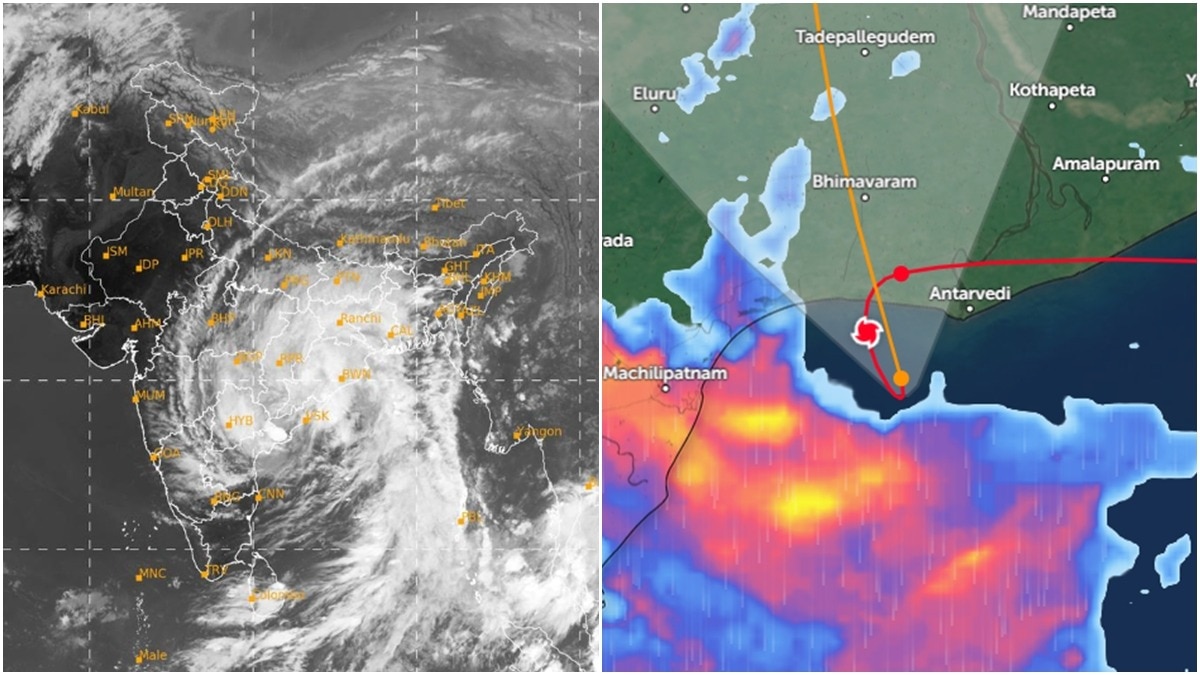
Cyclone Arnab has defied typical weather system behavior by executing a rare looping pattern that saw it cross into India, retreat seaward, and subsequently make a second landfall on the subcontinent. The cyclone's unconventional track has drawn attention from meteorological experts who note that such paths, while not unprecedented, remain relatively uncommon in the region.
The system initially made landfall along India's coast before weakening and moving back over adjacent oceanic waters. Rather than dissipating entirely, the cyclone reorganized and subsequently re-entered Indian airspace, affecting regions that had begun recovery operations following the initial impact.
Meteorological departments across South Asia have closely monitored Cyclone Arnab's progression, issuing revised advisories as the system's trajectory became apparent. The dual-impact nature of the cyclone has complicated disaster response efforts, with authorities managing resources across multiple phases of the weather event.
Local weather services have emphasized the importance of maintaining preparedness levels throughout the cyclone's extended passage, cautioning residents and administrative bodies that the system's unusual movement pattern may extend the period of severe weather conditions. Such cyclonic behavior underscores the growing complexity in tropical weather systems affecting the Indian subcontinent.