Culture & Entertainment · India Bureau
DA Hike Paradox: Higher Allowance May Limit 8th Pay Commission Benefits
A three-percentage-point increase in dearness allowance to 63% provides modest monthly gains for government employees, but simultaneously raises the benchmark for the 8th Pay Commission's salary restructuring. Analysts warn the move could constrain the actual benefits employees receive from the long-awaited pay revision.
LSN India ·
The latest dearness allowance increase, effective immediately, translates to approximately Rs 540 additional monthly income for entry-level government employees at current salary scales. While the raise provides temporary relief against inflation, compensation experts caution that the higher DA baseline creates complications for the 8th Pay Commission's anticipated salary restructuring.
The crux of the issue lies in how pay commissions calculate fitment factors—the multipliers used to determine new salary grades. With DA now at 63%, the commission must offer a proportionally higher fitment factor to justify meaningful real salary improvements beyond what employees are already receiving through allowance increments.
This creates a mathematical squeeze: government employees gain immediate relief from the DA hike, but the higher allowance floor reduces the commission's flexibility to deliver substantial pay scale restructuring. Officials must balance fiscal constraints against employee expectations, potentially resulting in smaller nominal increases than comparable previous pay revisions.
The 8th Pay Commission, which is expected to submit its report within months, faces mounting pressure to demonstrate substantial improvements for government workforce morale. However, the timing of this DA adjustment has inadvertently narrowed the window within which the commission can deliver transformative salary changes without significantly escalating the government's wage bill.
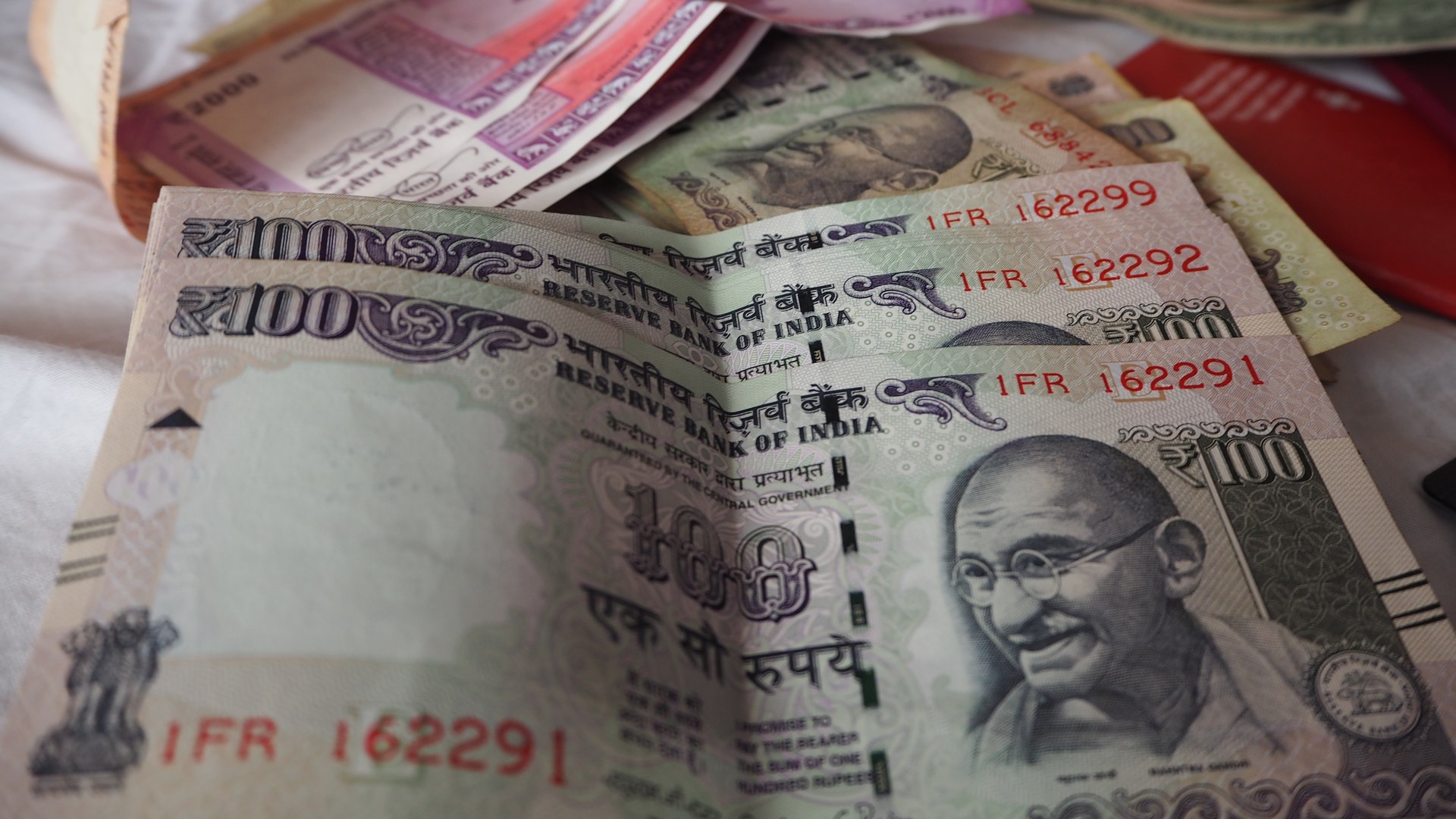
Photo: Indian 100- and 2,000-rupee banknotes, November 2016. Monito via Wikimedia Commons (CC BY 2.0).