World · India Bureau
Dam removal in US shows promise for river ecosystem recovery
The demolition of Columbia Dam in New Jersey in 2019 has yielded encouraging results for fish populations and water quality. Monitoring over nearly a decade reveals the return of migratory species upstream, offering insights into ecological restoration.
LSN India ·
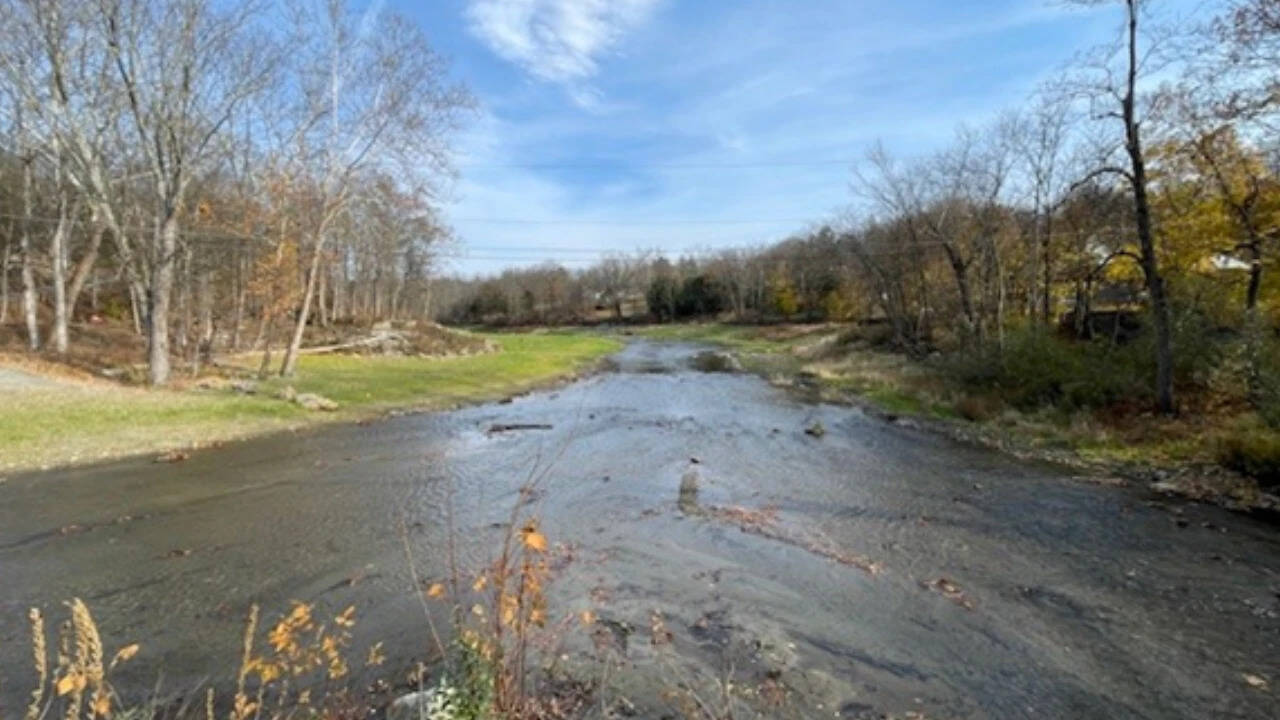
The removal of Columbia Dam in New Jersey has demonstrated measurable ecological benefits, with fish populations rebounding in sections of river that were previously blocked from migration. Since the 2019 demolition, approximately 14 kilometres of riverway was reopened to natural fish movement, allowing species such as juvenile eels, sea lampreys and American shad to access upstream habitats after an extended absence.
Nine years of continuous monitoring by researchers have documented the gradual recovery of the aquatic ecosystem following the dam's removal. The data shows juvenile eels and adult American shad now inhabiting areas of the river that had been inaccessible during the dam's operational period, indicating successful re-establishment of these species in their historical ranges.
Beyond fish population recovery, the demolition has produced tangible improvements in water quality metrics. Researchers observed measurable changes in water temperature and dissolved oxygen levels throughout the monitored section, with conditions becoming more favourable for aquatic life. These environmental improvements suggest that removing infrastructure barriers can trigger broader ecological restoration in river systems.
The Columbia Dam removal represents a significant case study in ecosystem recovery through infrastructure removal. As regional authorities across South and Southeast Asia consider similar hydroelectric and irrigation projects, the New Jersey experience provides evidence that strategic dam removal can balance human development needs with ecosystem restoration objectives.