World · India Bureau
Dam removal opens vast new habitat for Pacific salmon species
The removal of aging dams from a major US river has dramatically expanded salmon access to their historic spawning grounds. Environmental restoration efforts demonstrate the potential for large-scale ecosystem recovery through infrastructure removal.
LSN India ·
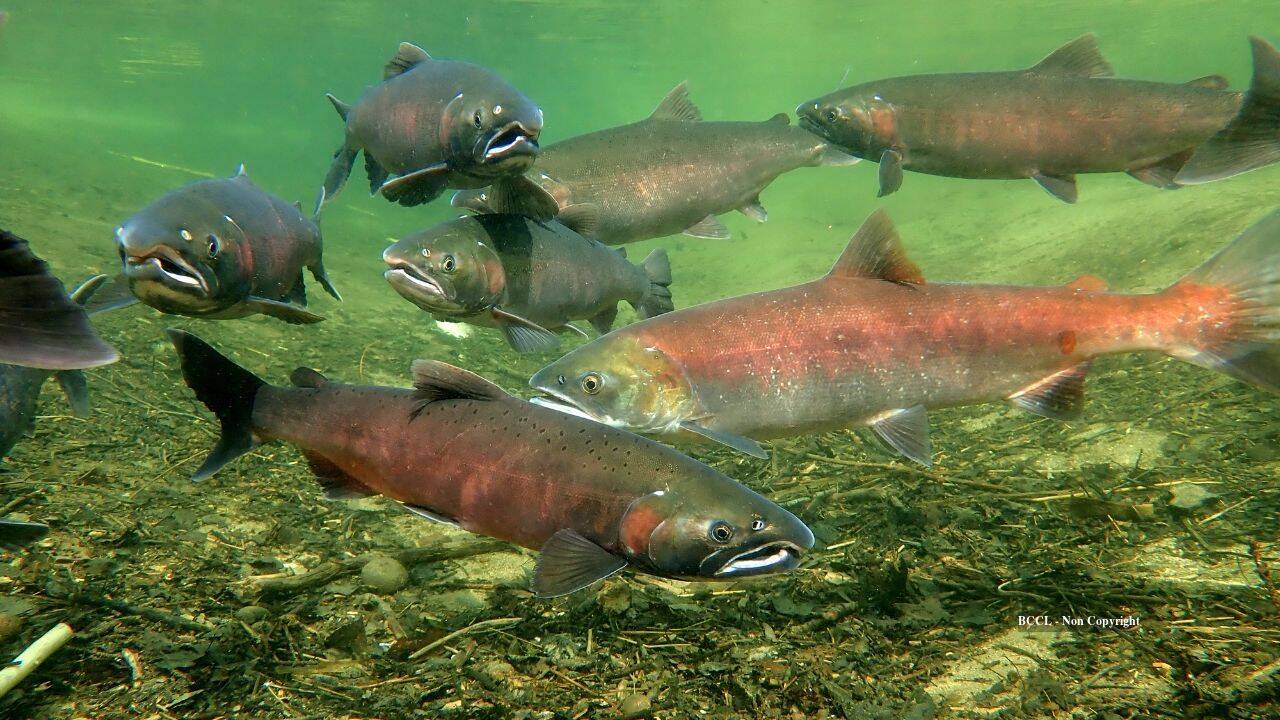
A significant environmental milestone has been achieved with the removal of dams from the Klamath River, restoring salmon access to approximately 88 percent of their historical habitat range. The project represents one of the largest dam removal initiatives in North America, opening vast stretches of previously inaccessible river territory for spawning and migration.
The restoration effort addresses decades of habitat fragmentation caused by dam construction. By eliminating these barriers, salmon populations—including Chinook, coho, and steelhead species—can now reach upstream spawning grounds that had been cut off for generations. Scientists and conservation groups have lauded the initiative as a crucial step in reversing the decline of these economically and culturally significant fish populations.
The Klamath River basin holds particular ecological importance, supporting multiple salmon species that sustain both commercial and recreational fishing industries throughout the Pacific Northwest region. The expanded habitat access is expected to support larger breeding populations and enhance genetic diversity within salmon stocks, potentially strengthening species resilience to environmental pressures.
The dam removal project involved coordination among government agencies, environmental organizations, and local stakeholders. Experts anticipate that full ecosystem recovery will require several years as salmon populations recolonize restored habitats and downstream water conditions stabilize. The initiative is being closely monitored as a model for potential large-scale restoration efforts at other river systems facing similar ecological challenges.