World · India Bureau
Dam Removal Restores 127 Miles of River Habitat for Migratory Fish
A major infrastructure removal project has revitalized a significant stretch of river in the United States, restoring critical upstream migration routes for fish species. The collaborative effort demonstrates how strategic environmental interventions can reverse habitat degradation and support aquatic biodiversity.
LSN India ·
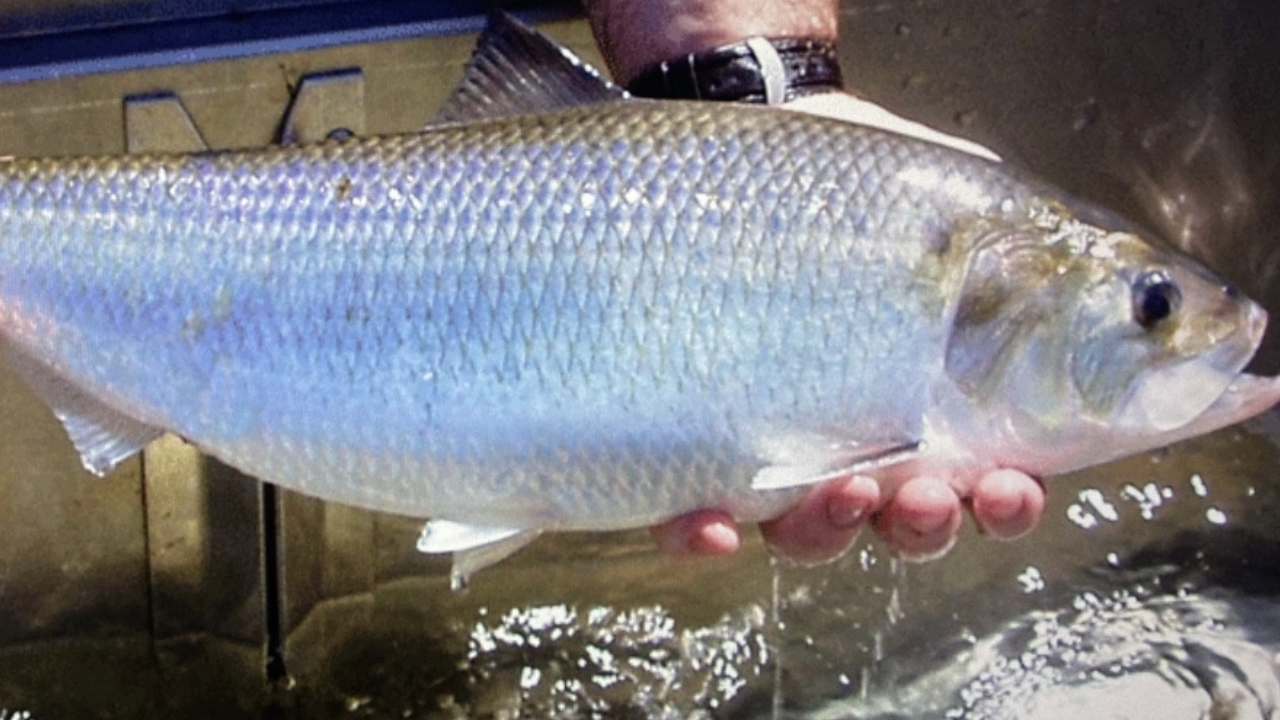
The demolition of Harvell Dam in 2014 marked a turning point in river restoration efforts, reopening over 120 miles of previously blocked waterway. The project succeeded in eliminating a major barrier that had restricted fish movement for decades, allowing migratory species to access essential upstream spawning and feeding grounds for the first time in generations.
State biologists and recreational anglers have documented significant increases in fish populations moving upstream since the dam's removal, providing concrete evidence of the project's ecological impact. The observations confirm that fish species dependent on unobstructed river corridors have responded positively to the restored habitat connectivity.
The initiative brought together multiple government agencies and environmental organizations in a coordinated restoration effort. Their collaboration focused on returning the river to a free-flowing state, an approach that has become increasingly recognized as essential for maintaining healthy aquatic ecosystems and supporting biodiversity.
Beyond ecological benefits, the restoration project has also enhanced recreational opportunities along the river corridor. The reopened waterway now supports improved fishing and other water-based activities, demonstrating how environmental restoration can deliver benefits across conservation and community interests simultaneously.