Business · Bangladesh Bureau
Damaged Currency Notes Create Supply Challenges in Bangladesh Market
Retailers and businesses across Bangladesh report a growing presence of torn and defaced banknotes in circulation, raising concerns about monetary management and consumer inconvenience.
LSN Bangladesh ·
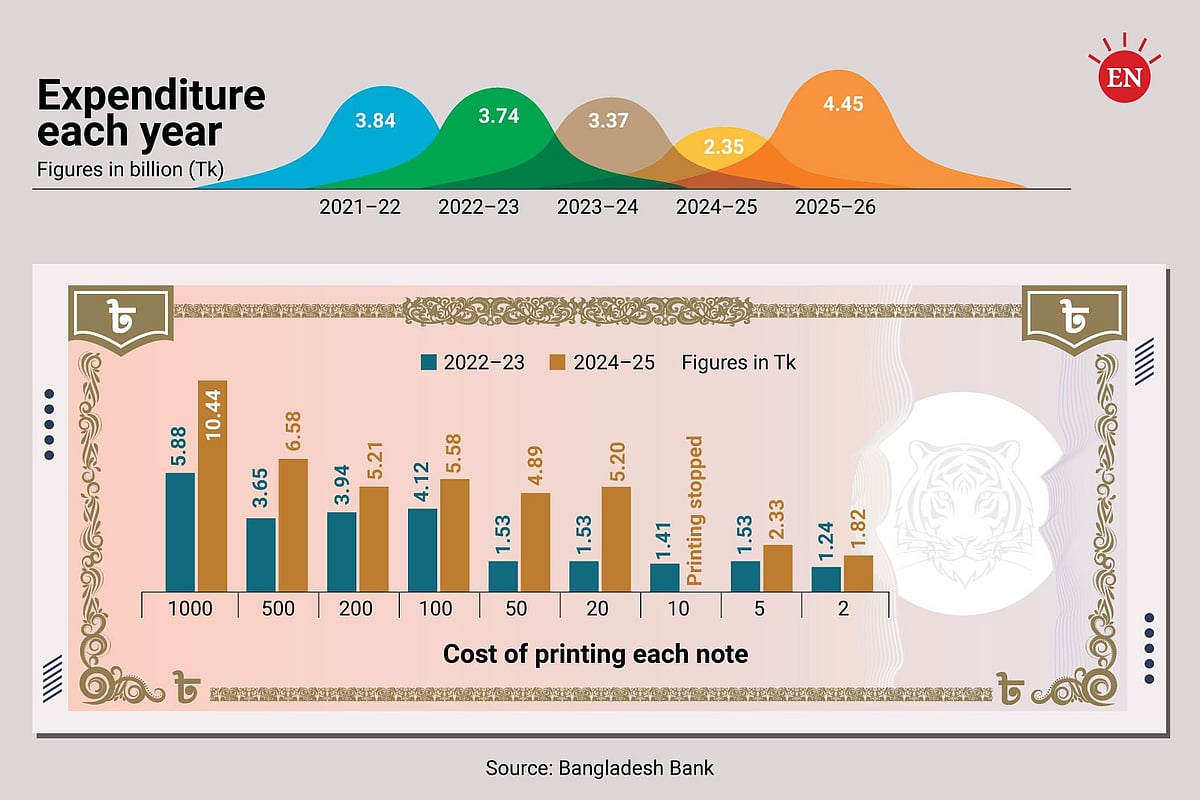
Traders and shopkeepers throughout the country have flagged a noticeable increase in damaged currency notes entering the marketplace, complicating routine transactions and prompting calls for intervention. The deteriorated notes—bearing tears, stains, and signs of extended wear—are frequently rejected by merchants wary of accepting currency that may be deemed unfit by banks, creating friction in daily commerce.
The problem has become acute enough to draw attention from the business community, which reports that customers increasingly attempt to offload worn notes during purchases. Banking officials acknowledge the issue, noting that damaged currency must be withdrawn from circulation and replaced with fresh notes, a process that requires resources and coordination across the financial system.
Market participants attribute the proliferation of damaged notes to inadequate currency maintenance practices and extended circulation periods for older banknotes. Small traders, in particular, struggle to accept questionable currency without reliable recourse, leaving them vulnerable to losses if banks subsequently refuse to exchange the notes.
The Bangladesh Bank has not issued formal guidance on the scope of the problem, though financial sector observers suggest the situation underscores broader challenges in currency management and the need for more frequent note replacement cycles to maintain public confidence in the monetary system.