Politics · Singapore Bureau
DAP's unity government commitment leaves Anwar facing coalition reform challenge
With the Democratic Action Party locked into Malaysia's unity government framework, Prime Minister Anwar Ibrahim faces mounting pressure to restructure his political coalition ahead of the next general election. The question of whether the current power-sharing arrangement can be reformed remains unresolved.
LSN Singapore ·
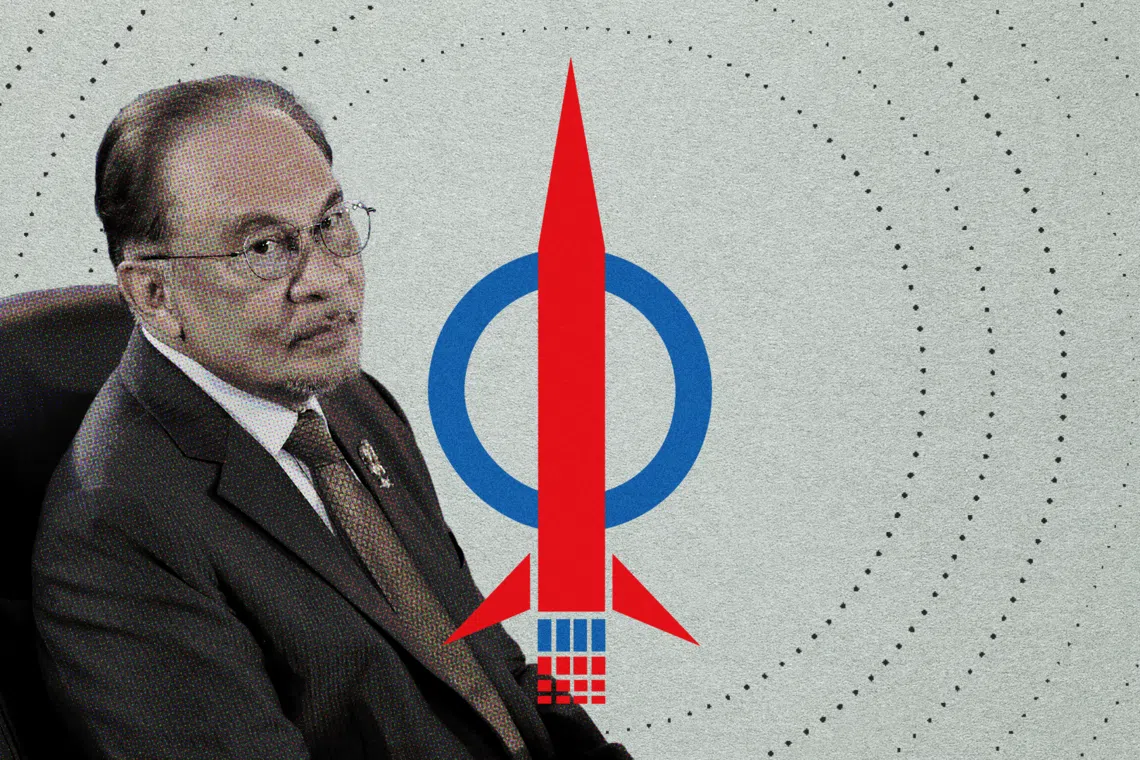
The Democratic Action Party's decision to remain within Malaysia's unity government has created a structural constraint on Prime Minister Anwar Ibrahim's ability to reshape his political coalition before the next general election. The DAP's commitment to the multi-party framework limits the flexibility available to Anwar in reconfiguring his political base.
Anwar's Pakatan Harapan coalition faces pressure to adapt to the new political reality created by the unity government arrangement. The inclusion of previously opposing parties in a broad-based government has complicated traditional coalition politics, leaving questions about how the alliance will function as an electoral bloc.
Observers note that any significant coalition restructuring would need to account for the DAP's institutional interests within the current government. The party's participation in key ministerial positions and parliamentary committees gives it incentive to maintain the unity government framework, potentially constraining Anwar's room for maneuver.
Analysts suggest the tension between maintaining unity government stability and preparing for electoral competition will define Malaysian politics in the period leading to the next general election. The challenge for Anwar lies in balancing coalition cohesion with the strategic positioning necessary for electoral success.