World · India Bureau
Dark colours and stripes could shield seabirds from building collisions
A Canadian study reveals that darker surfaces and vertical stripe patterns significantly reduce bird collisions with illuminated structures at night. The findings offer a practical solution to protect seabirds from artificial lighting hazards at coastal facilities.
LSN India ·
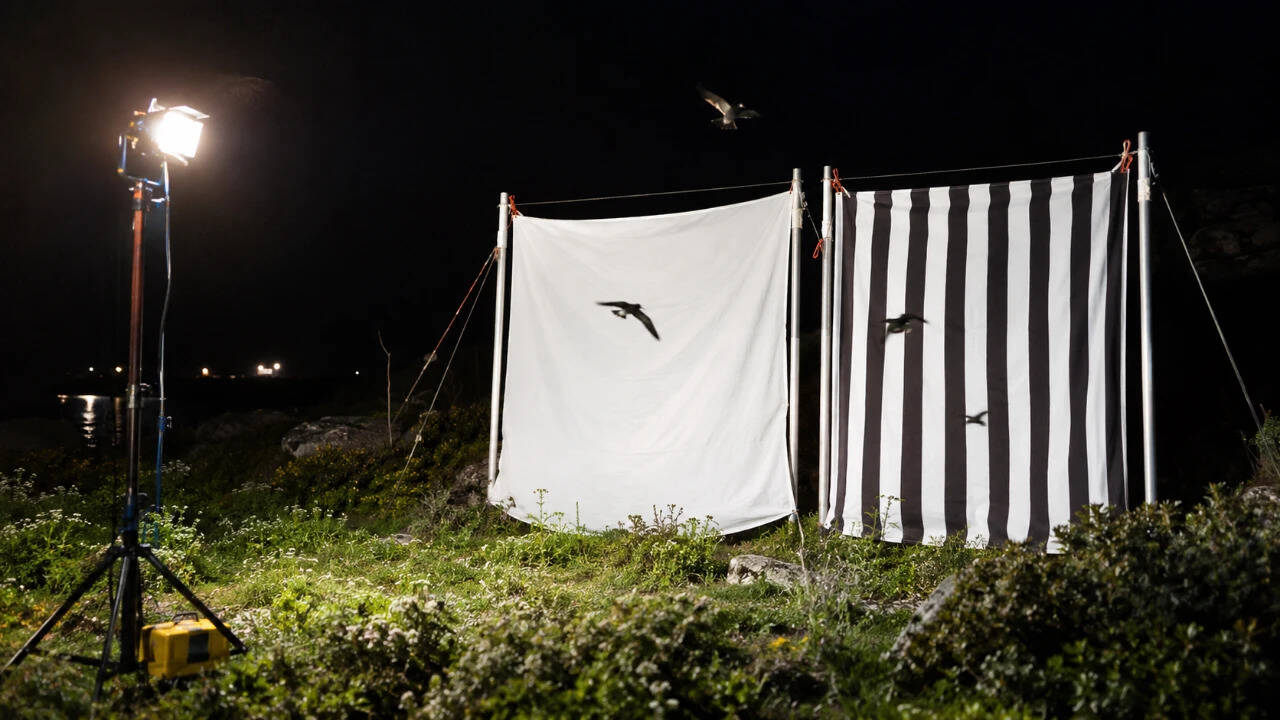
Researchers studying a seabird colony in Canada have identified simple design modifications that could substantially lower collision rates caused by artificial lighting. The study found that vertically striped surfaces proved dramatically more effective than plain alternatives, reducing bird collisions by approximately 2.8 times.
The research compared the performance of different surface treatments, with black sheets consistently outperforming white surfaces in preventing collisions. These findings suggest that colour selection and patterning play crucial roles in making structures more visible and navigable for nocturnal seabirds.
The implications extend across multiple maritime and coastal settings where artificial lighting poses risks to bird populations. Coastal buildings, commercial ships, and offshore energy facilities could all benefit from applying these design principles to reduce wildlife casualties.
Seabirds are particularly vulnerable to collisions with illuminated structures during night-time navigation and feeding activities. By implementing darker finishes and striped patterns on exterior surfaces, facility operators could provide a cost-effective safety measure without compromising functionality or aesthetic requirements.
The research adds to growing evidence about human infrastructure's impact on bird populations and demonstrates how straightforward design modifications can meaningfully enhance wildlife protection in coastal environments.