Culture & Entertainment · Sri Lanka Bureau
Death of Sri Lanka's largest tusker sparks elephant protection debate
The death of Kavantissa, a renowned tusker that roamed central Sri Lanka's wildlife corridors, has reignited concerns about the protection of the island's diminishing elephant population. Experts are calling for stronger safeguards as human-wildlife conflict continues to threaten these iconic animals.
LSN Sri Lanka ·
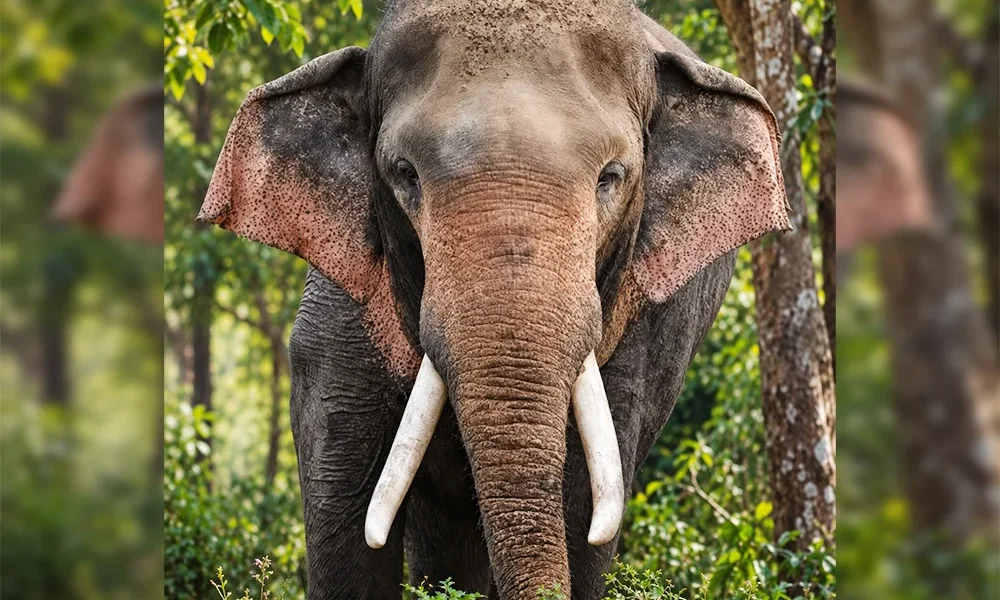
Kavantissa, widely regarded as Sri Lanka's largest tusker in recent years, has died, prompting renewed calls for enhanced elephant conservation measures across the island. The animal was known to frequent the Galgamuwa and Anuradhapura districts, where he regularly traversed the Ambanpola–Galgamuwa road adjoining the Kasikote sanctuary, making him a familiar sight to residents and wildlife observers in the region.
The loss of the distinctive tusker represents more than the passing of a single animal—it underscores the mounting pressures facing Sri Lanka's remaining elephant herds. As human settlements continue to expand into traditional wildlife habitats, incidents involving elephants crossing major roadways have become increasingly common, exposing the animals to traffic accidents and human-wildlife conflict.
Conservationists argue that Kavantissa's death exemplifies the urgent need for comprehensive protection strategies. These include improved wildlife corridor management, enhanced road safety measures in elephant-prone areas, and better coordination between transportation authorities and wildlife officials to mitigate risks to the animals.
The incident has reinvigorated discussions among environmental advocates and policymakers about Sri Lanka's commitment to protecting its elephant population, which has declined significantly over recent decades due to habitat loss, human encroachment, and poaching.