Politics · India Bureau
Death penalty justified only when reformation ruled out: SC
India's Supreme Court has emphasized that capital punishment can only be imposed when there is no possibility of reforming the convicted person. The court also criticized trial courts for hastily sentencing convicts to death without conducting separate hearings on the matter of punishment.
LSN India ·
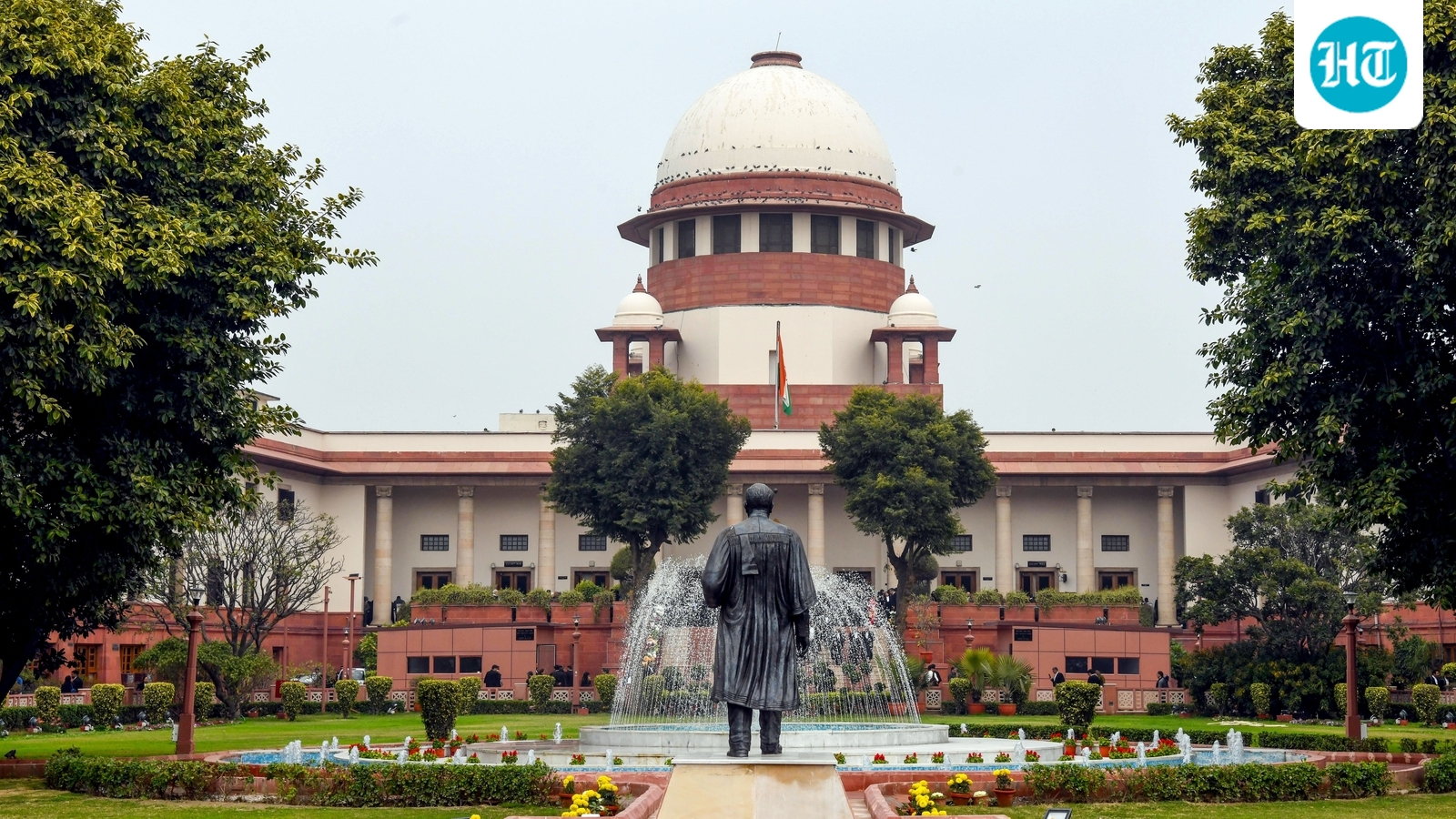
The Supreme Court of India has laid down a stringent standard for imposing the death penalty, asserting that such extreme measures are permissible only when the possibility of rehabilitation and reformation of the convict has been definitively ruled out.
The bench expressed concern over procedural lapses in capital punishment cases, specifically criticizing trial courts for sentencing convicts to death on the same day as their conviction. The court emphasized that pronouncing a death sentence requires a separate, dedicated hearing on the question of punishment, distinct from the trial proceedings on guilt or innocence.
This ruling underscores the judiciary's commitment to ensuring that capital punishment is administered with utmost caution and procedural rigor. The judgment reflects broader constitutional principles requiring courts to consider all mitigating factors and the possibility of reformation before resorting to irreversible sentences.
The Supreme Court's directive aims to strengthen safeguards in capital cases and ensure that death sentences are imposed only in the rarest of rare cases, with proper consideration of the convict's background, conduct, and potential for rehabilitation. The pronouncement is expected to influence how trial courts handle sentencing in future capital offenses across the country.