World · Bangladesh Bureau
Debate Intensifies Over Upper House Role and PM Term Limits
Political discussions have emerged questioning the necessity and function of the upper legislative chamber, while some voices argue against imposing restrictions on prime ministerial tenure. The debate reflects broader concerns about institutional design in the country's governance structure.
LSN Bangladesh ·
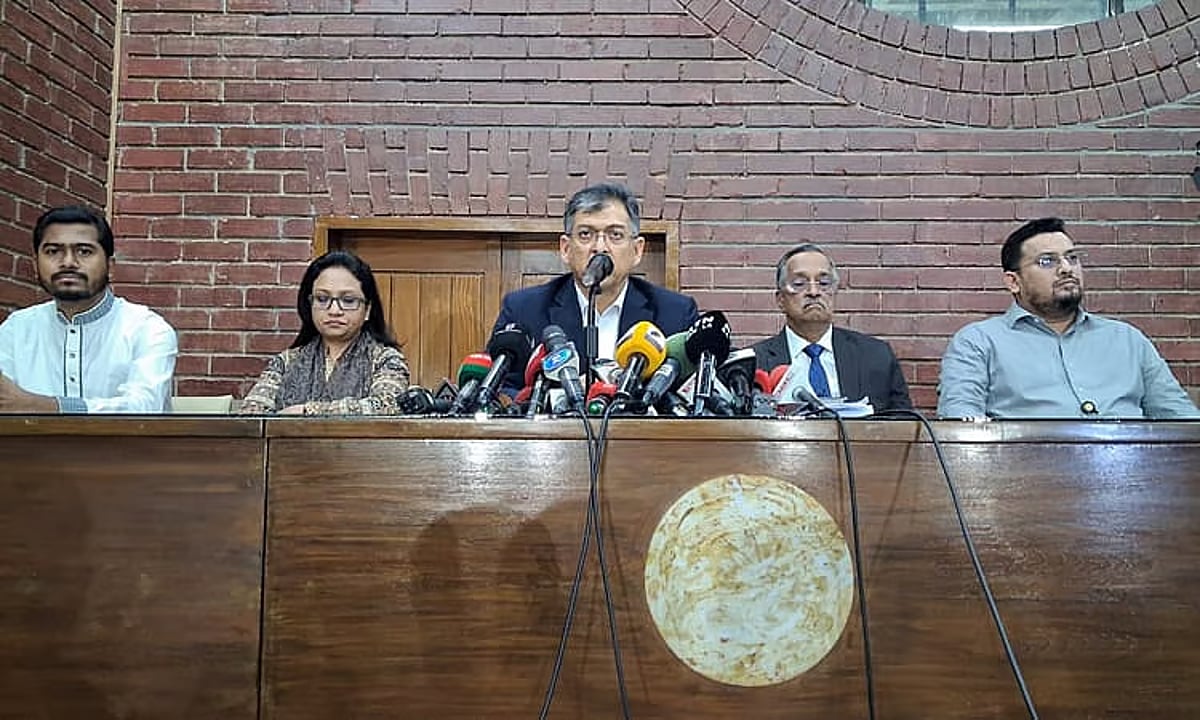
Questions are being raised about the utility and purpose of the upper house within the current legislative framework, with observers questioning whether the chamber serves essential functions or represents an unnecessary layer of bureaucracy. The discussion has prompted lawmakers and analysts to examine the upper house's constitutional role and its effectiveness in the legislative process.
Simultaneously, a separate debate has emerged regarding limitations on prime ministerial terms. Proponents of removing tenure caps argue that electoral processes should determine leadership continuity rather than constitutional restrictions. They contend that voters should retain the power to decide whether a sitting premier deserves continued mandate through democratic elections.
These discussions occur amid broader discourse on institutional reform and constitutional matters. Political observers note that questions about parliamentary structure and executive tenure often reflect different visions for democratic governance and the balance of power within democratic systems.
The conversations have drawn participation from various political quarters, though consensus on potential reforms remains elusive. Officials and constitutional experts continue examining how institutional arrangements can best serve the nation's democratic processes and governance objectives.