Politics · India Bureau
Decade after demonetisation, India's cash economy shows little change
A decade after Prime Minister Narendra Modi's sudden withdrawal of high-value currency notes, official data reveals that India's cash usage patterns have remained largely unaltered. Counterfeiting incidents have also risen, undermining some of the government's key stated objectives for the 2016 policy.
LSN India ·
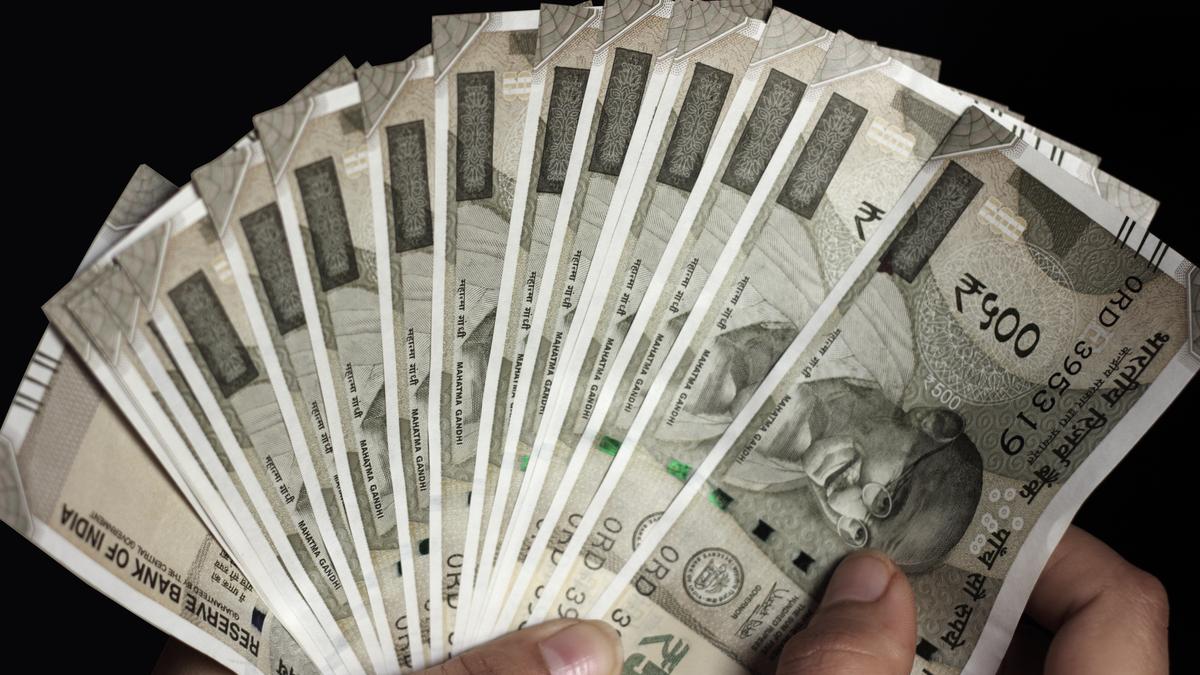
The demonetisation of November 2016, which overnight invalidated 86 per cent of the nation's circulating currency, was announced as a sweeping anti-corruption and anti-counterfeiting measure. A decade later, as Indians mark another Deepavali season, assessments of the policy's impact tell a mixed story at best.
Official figures indicate that cash transactions have not substantially decreased, contrary to the government's stated aim of promoting digital payments and formalising the economy. Despite the disruption caused by the sudden currency withdrawal, which necessitated long queues at banks and widespread economic friction, Indians have largely reverted to cash-based transactions across sectors ranging from retail to agriculture.
Concerns have also emerged regarding counterfeit currency. Rather than the decline anticipated from introducing new security features in replacement notes, instances of fake notes in circulation have increased since 2016. This undermines another primary justification for the demonetisation exercise.
Experts and analysts have pointed to these persistent trends as evidence that the policy's deeper objectives—curbing the informal economy, curtailing black money, and improving tax compliance—have remained largely elusive. While the government maintains the measure had ancillary benefits, the decade-long record suggests that India's economic structure has proven remarkably resilient to the dramatic monetary intervention.