Business · World News Bureau
Decades of US-backed regime changes yield mixed results, human toll
A review of American interventions spanning seven decades reveals a pattern of costly operations with questionable long-term outcomes. From Iran to multiple Asian nations, these efforts have extracted significant human and financial costs while achieving limited strategic gains.
LSN World News ·
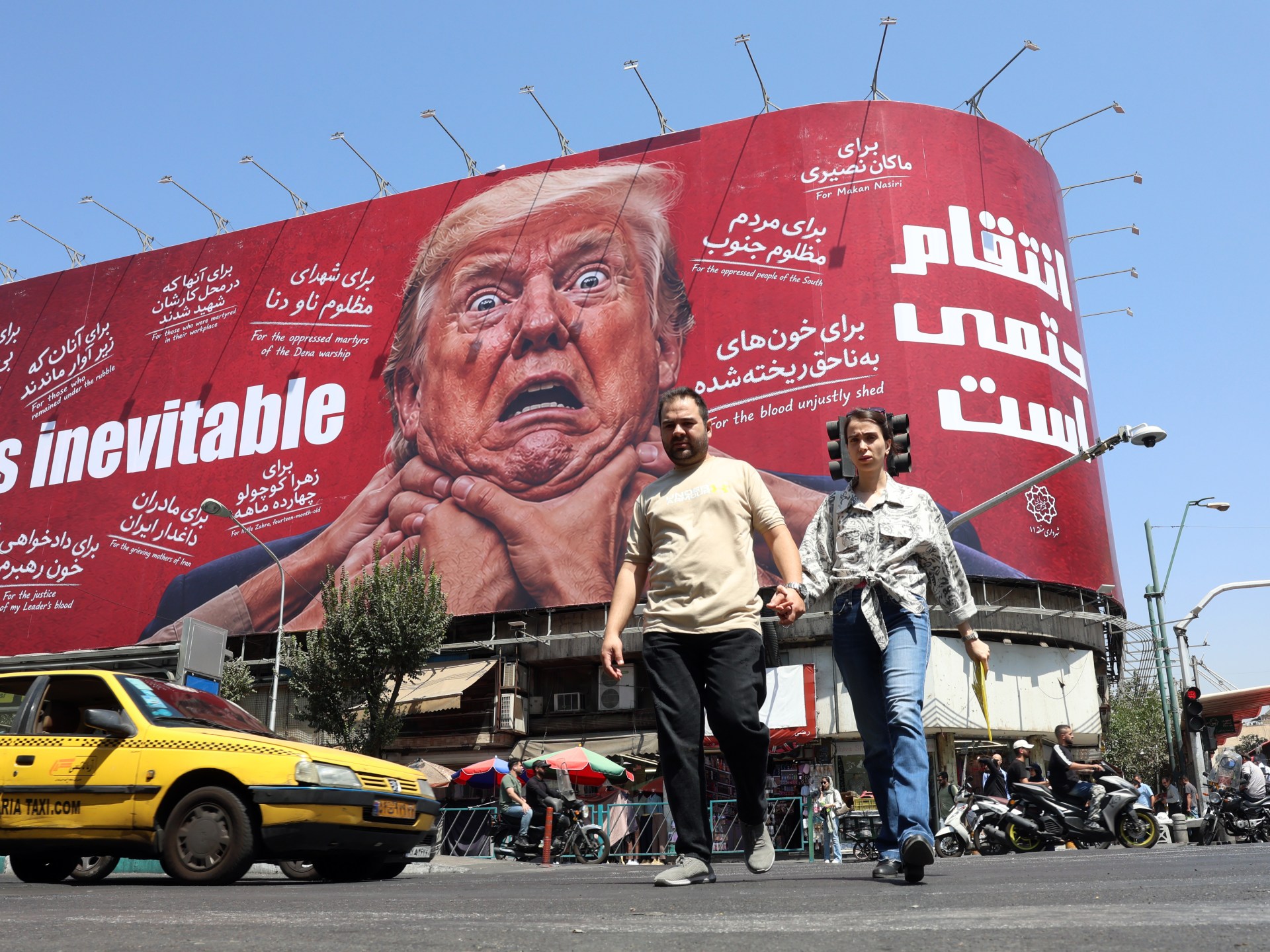
United States foreign policy has repeatedly employed regime change as a tool to reshape global politics, particularly across the Middle East and South Asia. Historical records document numerous interventions beginning in the post-World War II era, with operations ranging from covert intelligence activities to direct military involvement. These efforts have produced mixed results while generating substantial civilian casualties and regional instability.
The 1953 coup in Iran stands as a seminal example of early American interventionism, ostensibly justified on Cold War grounds. Decades later, Iranian officials and historians continue citing this episode as a defining moment in US-Iranian relations, illustrating how such operations create enduring diplomatic consequences. Similar patterns emerged across multiple nations, where initial strategic objectives frequently diverged sharply from actual outcomes.
Economic expenditures associated with regime change operations have proven substantial. Military interventions, reconstruction efforts, and ongoing diplomatic commitments have required billions in federal spending while delivering uncertain geopolitical advantages. Regional destabilization resulting from these efforts has often complicated rather than resolved underlying conflicts.
Contemporary assessments by foreign policy analysts suggest that regime change operations frequently fail to achieve stated objectives while generating humanitarian costs exceeding initial estimates. The cumulative effect of seven decades of interventionism has shaped international perceptions of American foreign policy intentions, with many nations expressing skepticism toward stated humanitarian motivations. Moving forward, policymakers face mounting evidence that alternative diplomatic approaches may prove more cost-effective and sustainable than military-backed regime transitions.